Method
For the sponge.
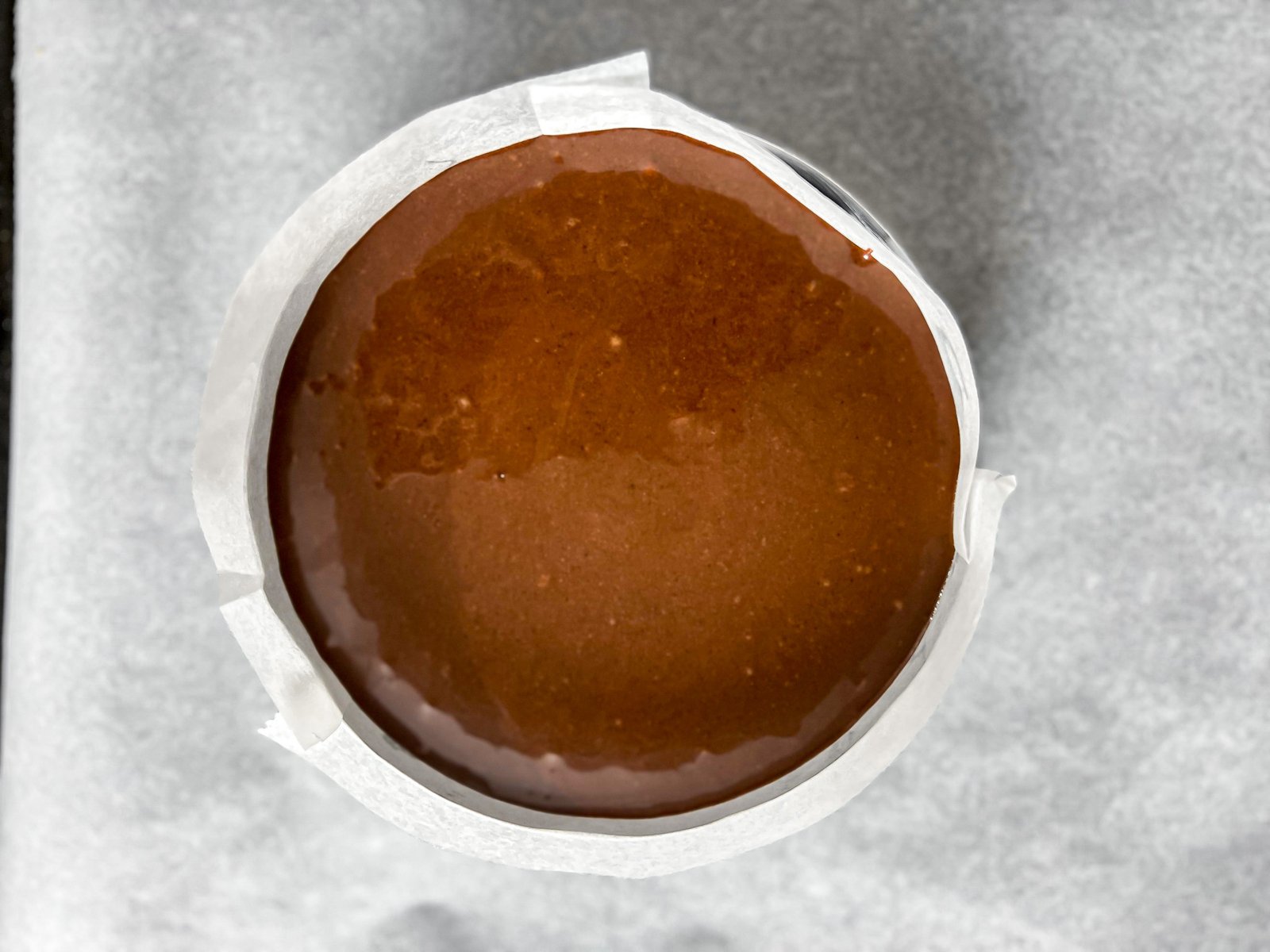
Preheat the oven to 200°C static, prepare a pan with parchment paper, a 16cm diameter ring lined on the sides with strips of parchment paper.
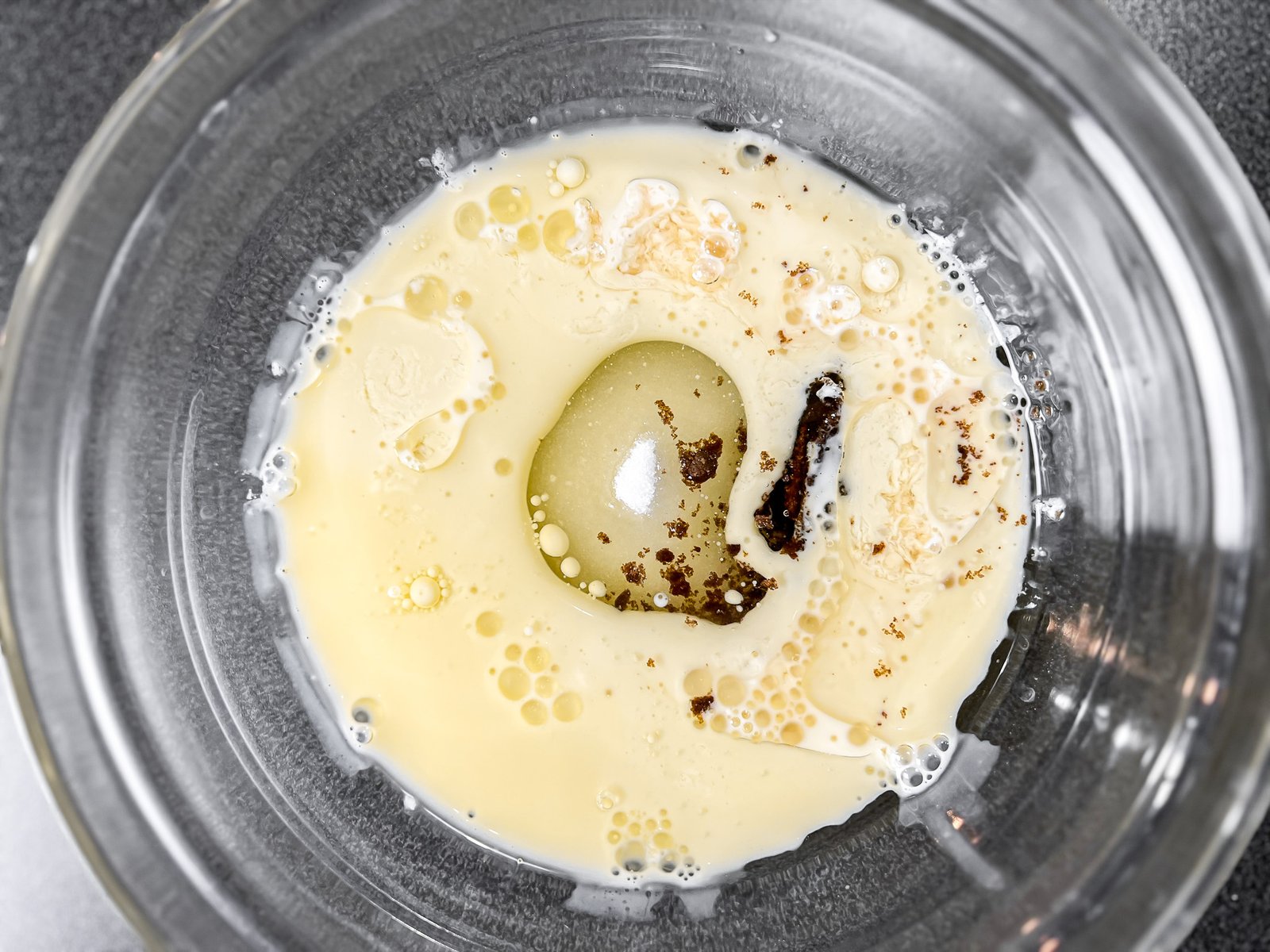
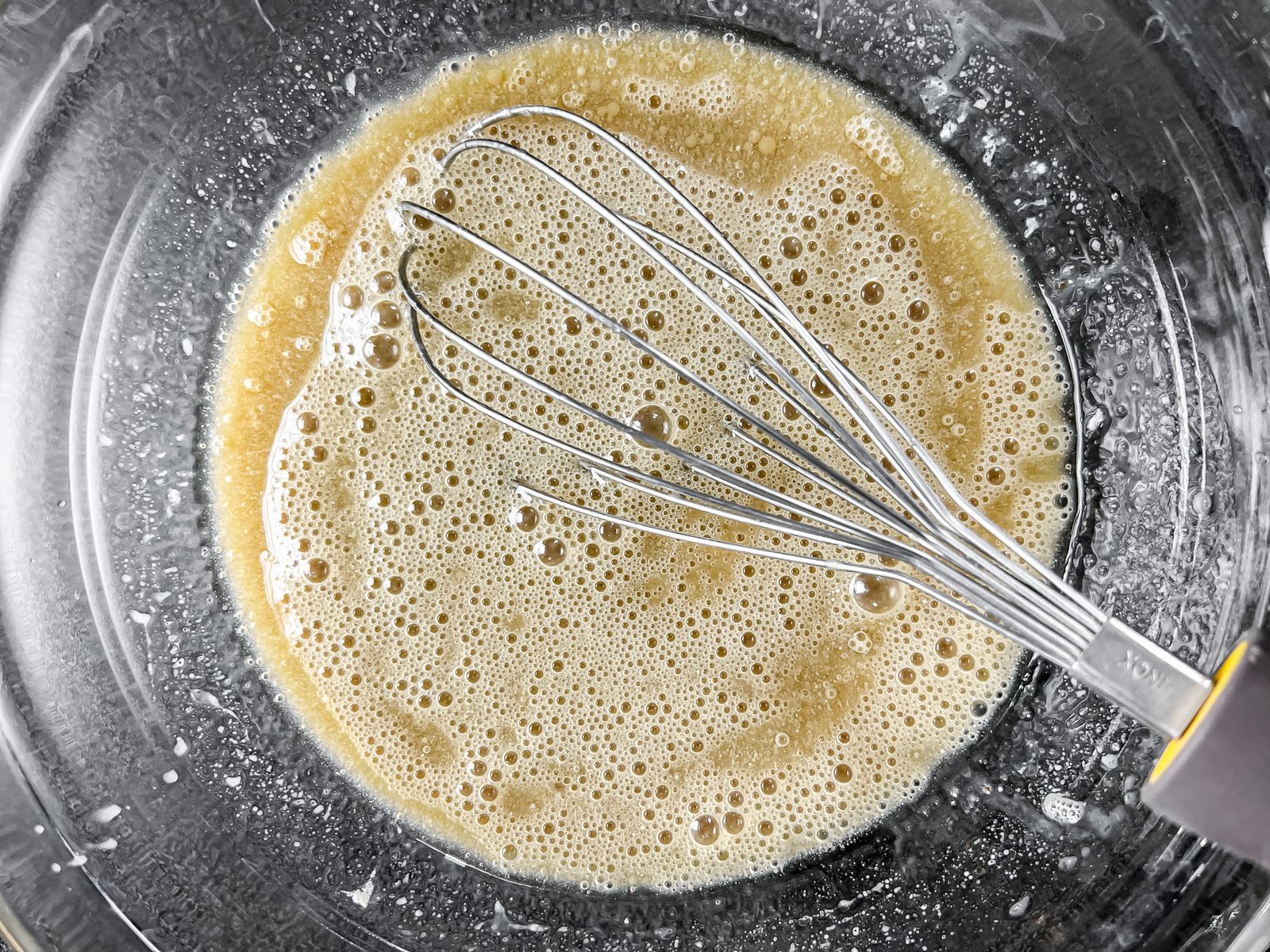
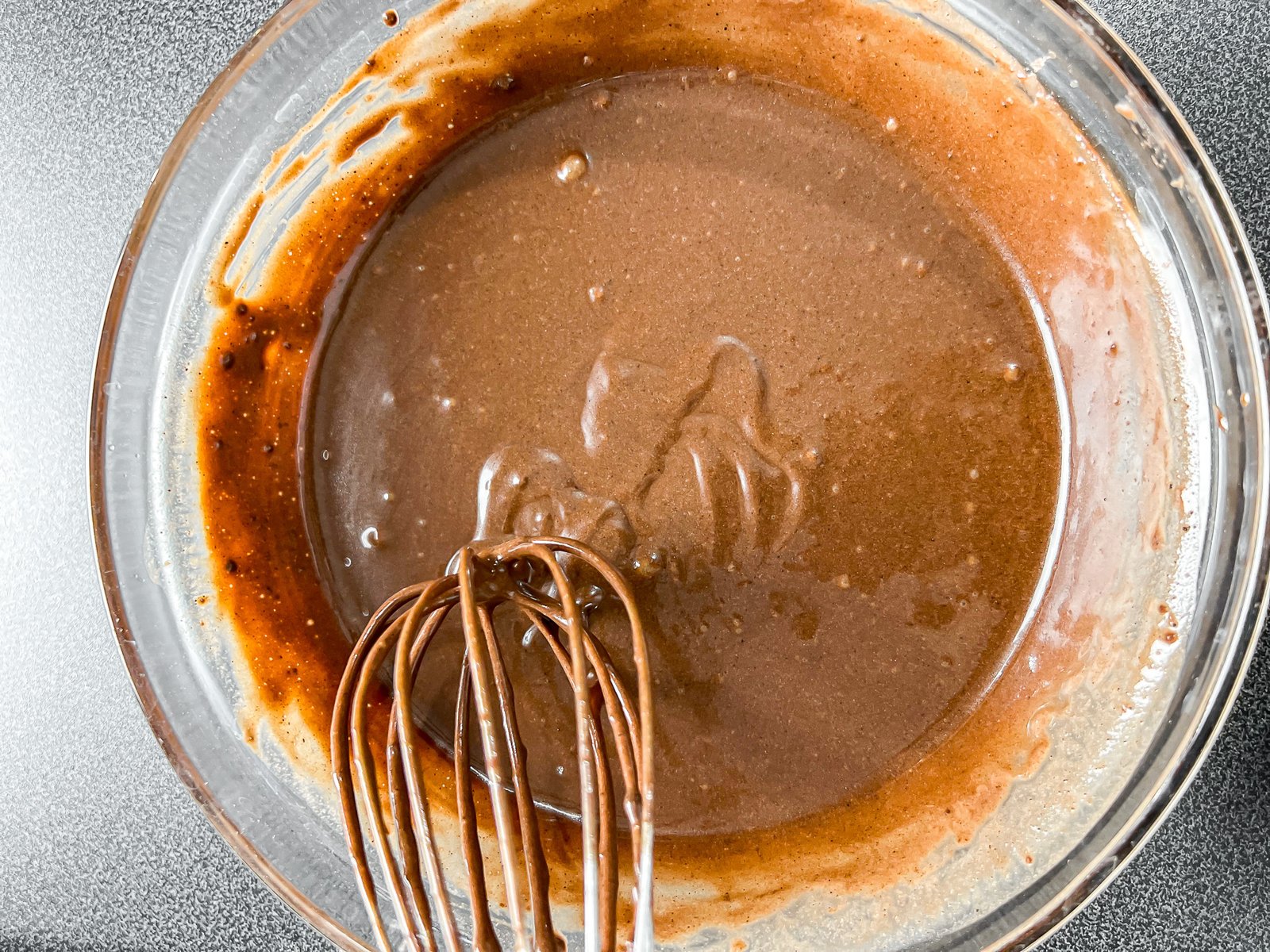
In a bowl weigh the plant-based milk, oil, granulated and muscovado sugar, salt and vinegar, whisk for a couple of minutes.
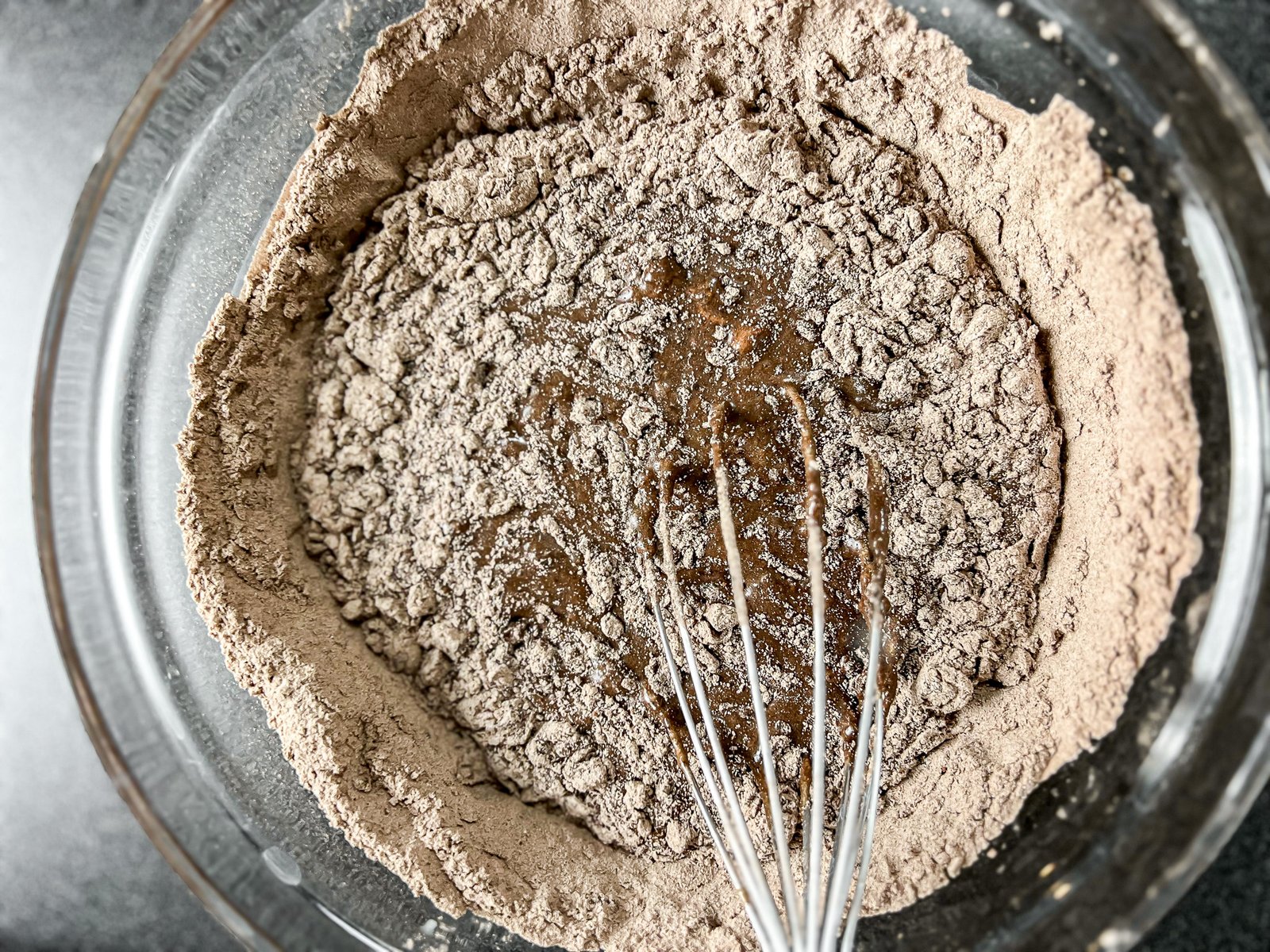
Add the sifted dry ingredients: flour, cocoa, baking powder and baking soda, mix well with a whisk.
Finally add the water and mix until you obtain a homogeneous batter.
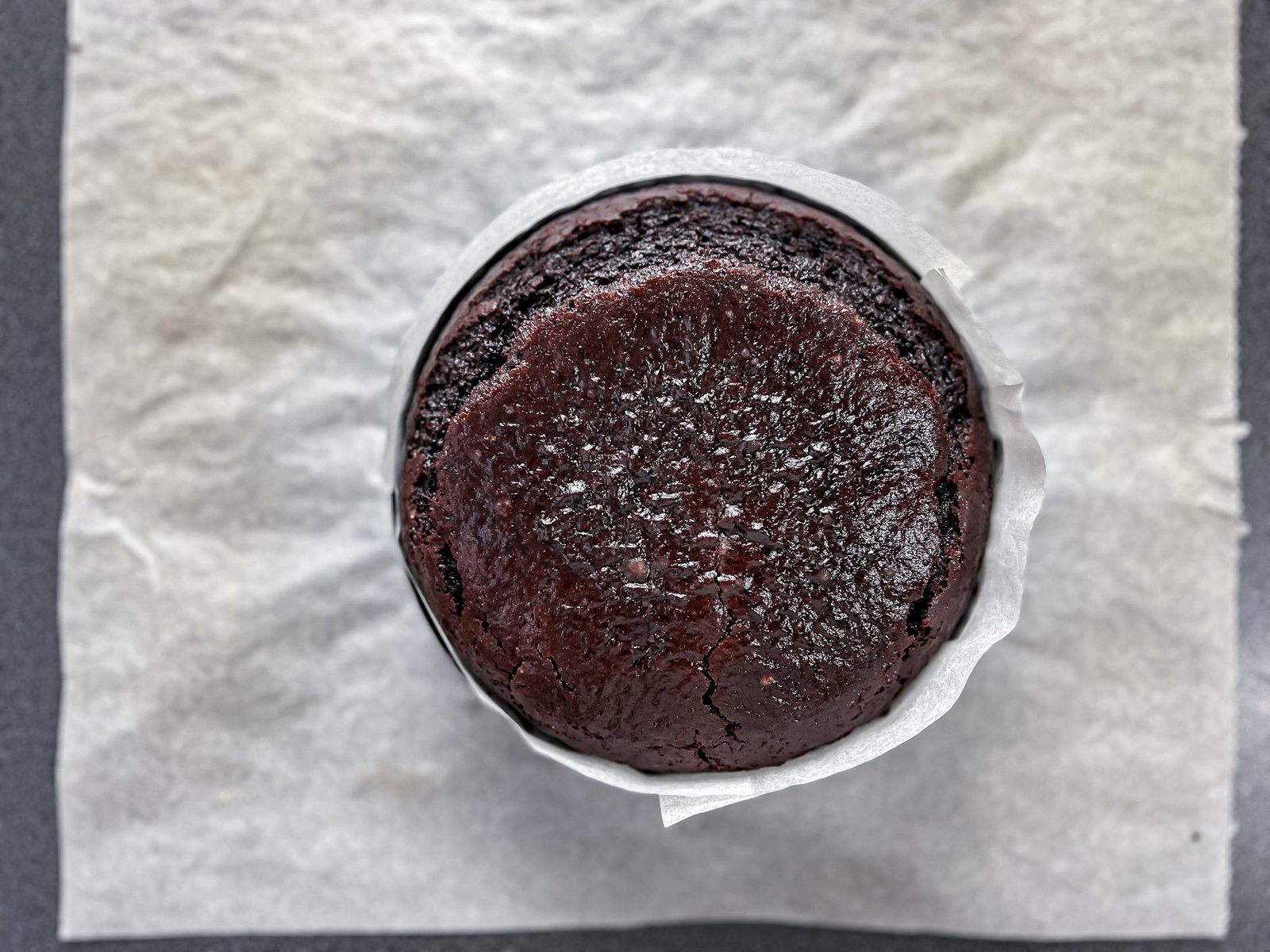
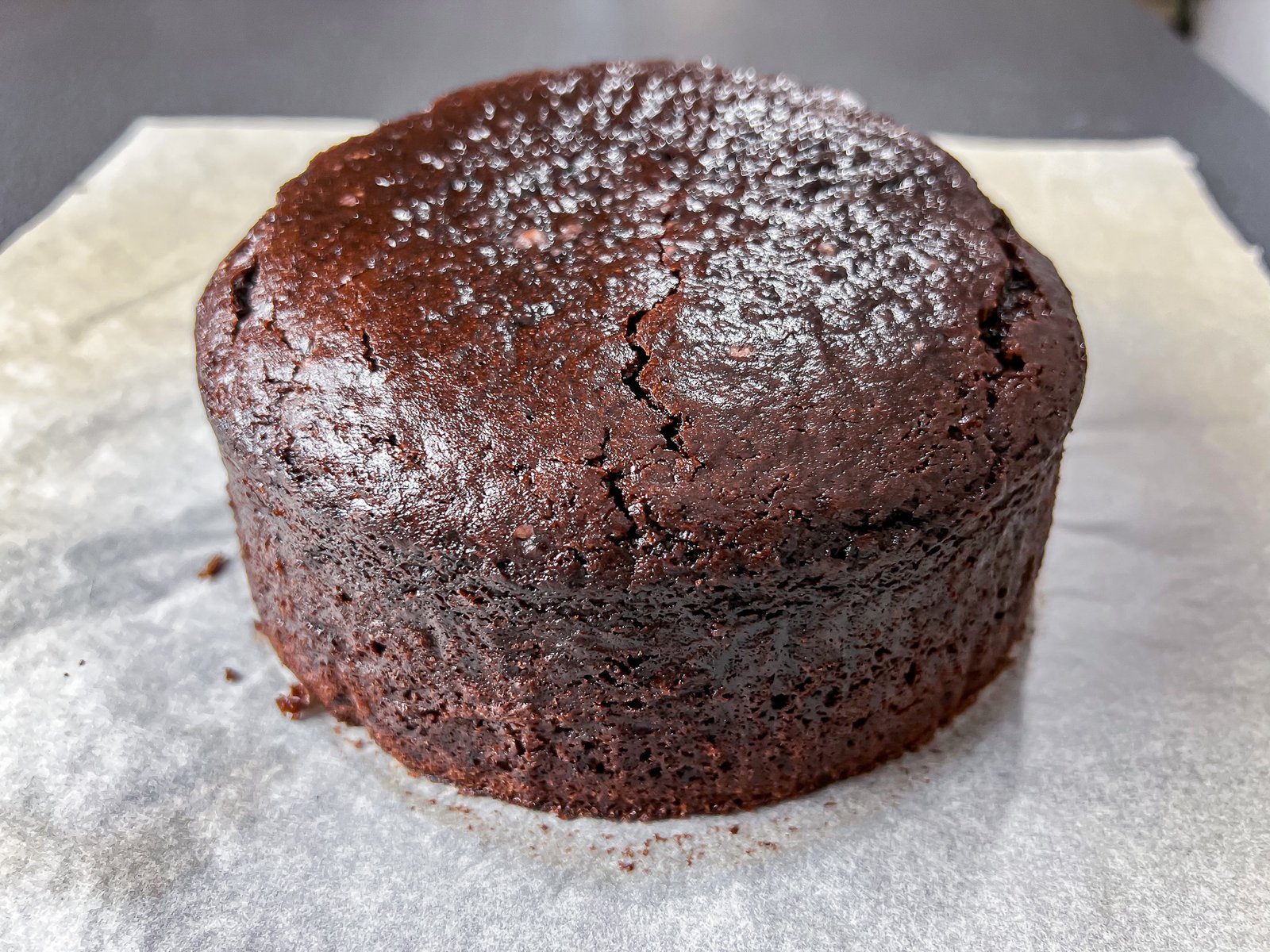
Pour into the mold and bake at 200°C static for 10 minutes and then at 180°C for about 40 minutes.
Check doneness with a skewer: insert a skewer into the center of the cake, if it comes out dry the batter is ready.
Cool at room temperature for half an hour, remove the ring and chill in the refrigerator for a couple of hours. The cake can only be sliced when completely cold from the fridge.
For the cream.
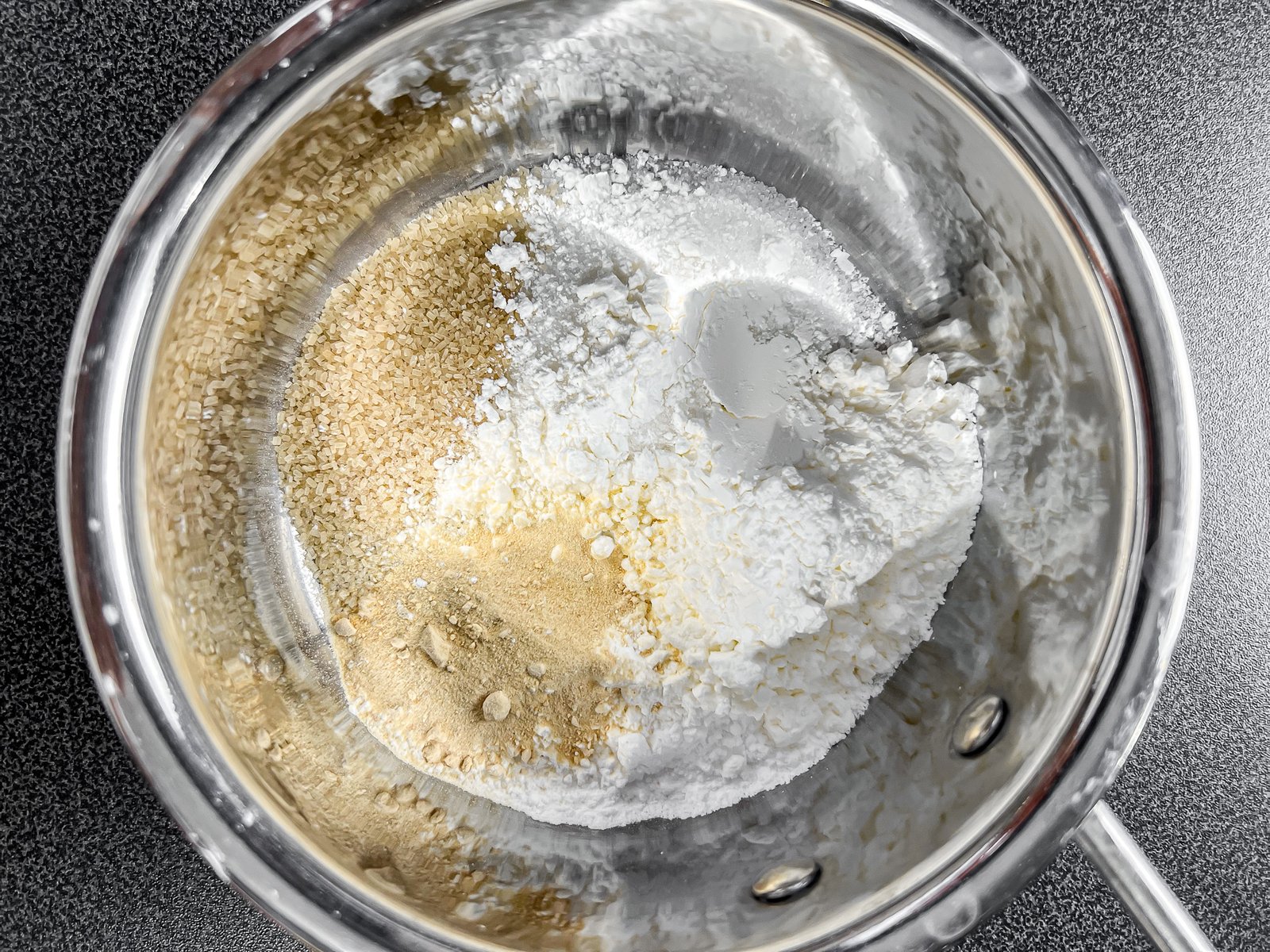
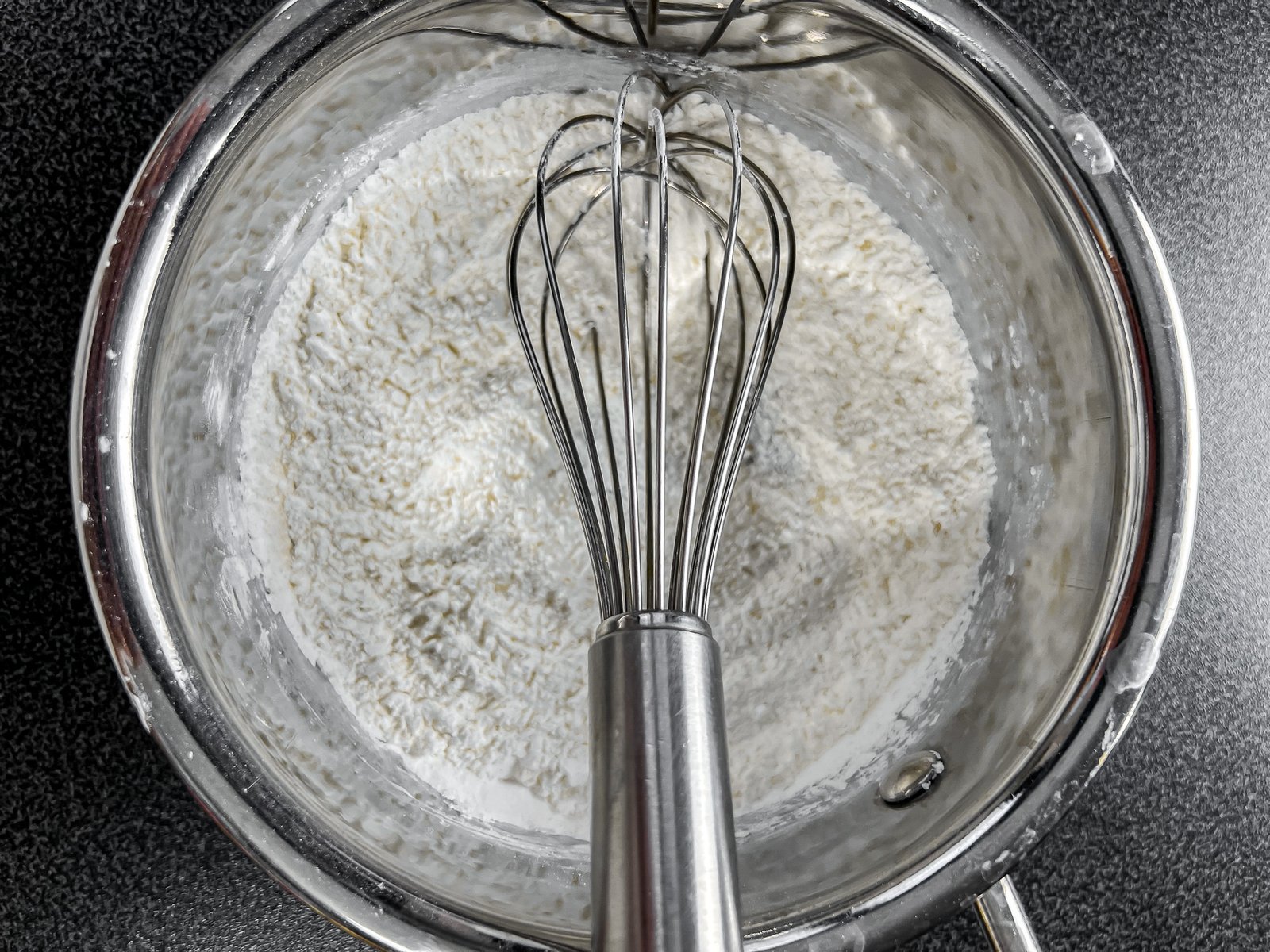
In a small saucepan weigh the granulated and cane sugar, corn starch, rice starch, lecithin and mix with a whisk.
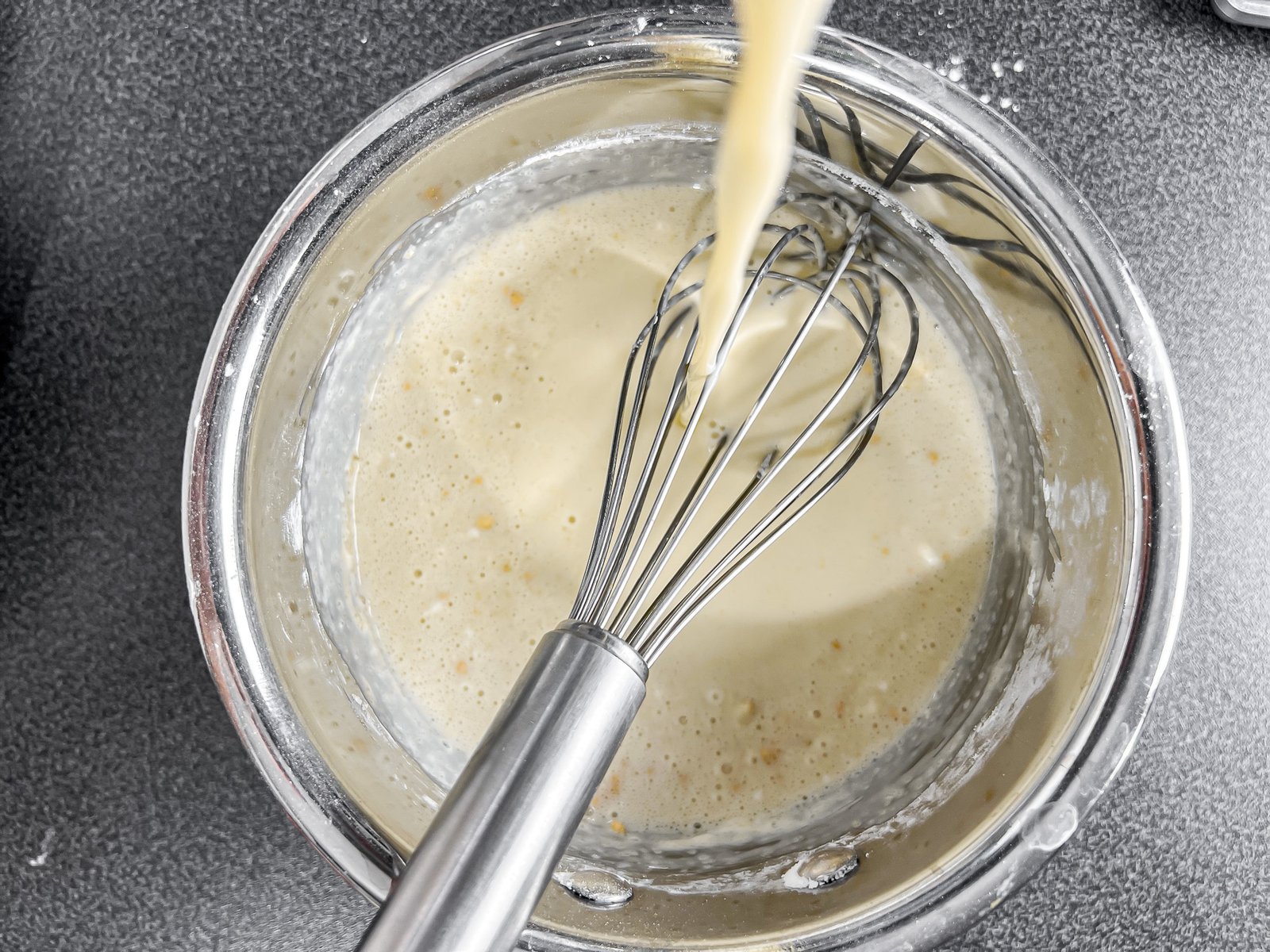
Gradually pour the plant-based milk into the powders, whisking continuously, and blend with an immersion blender to fully dissolve the lecithin which may have formed lumps.
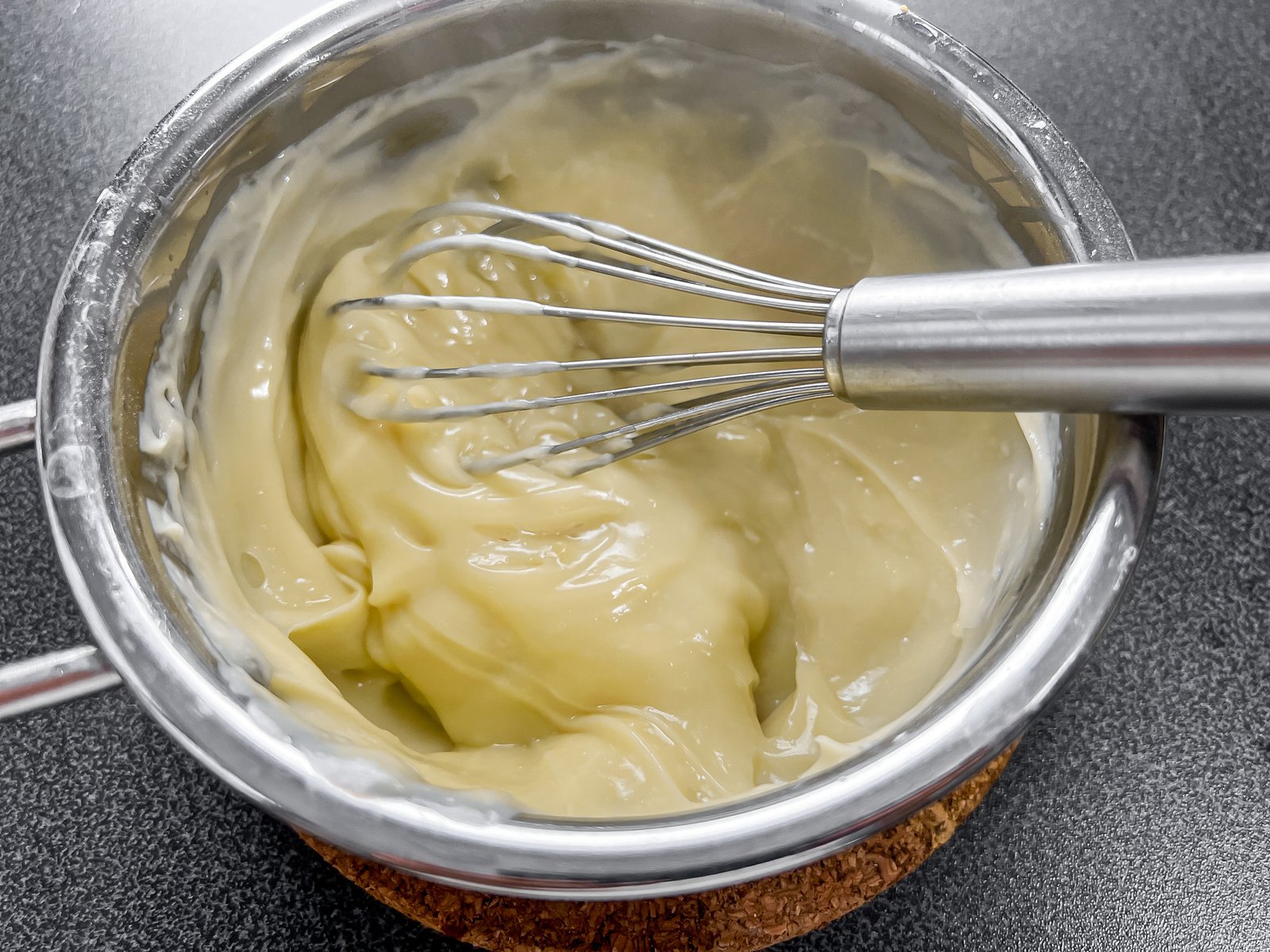
Cook the pastry cream over low heat. During cooking stir continuously with a whisk and bring to a temperature of about 85°C; you will notice an immediate change in consistency and the cream will begin to thicken.
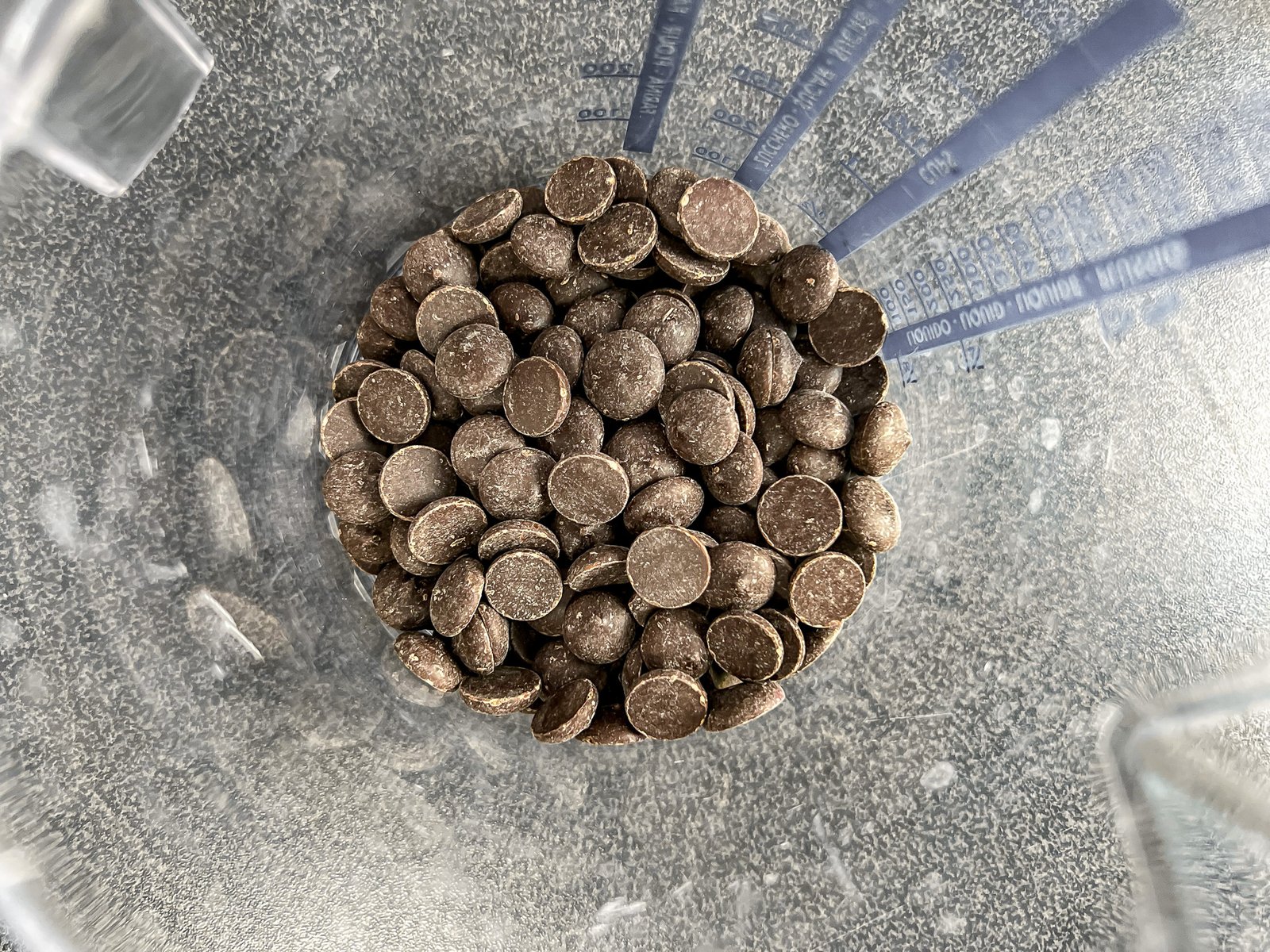
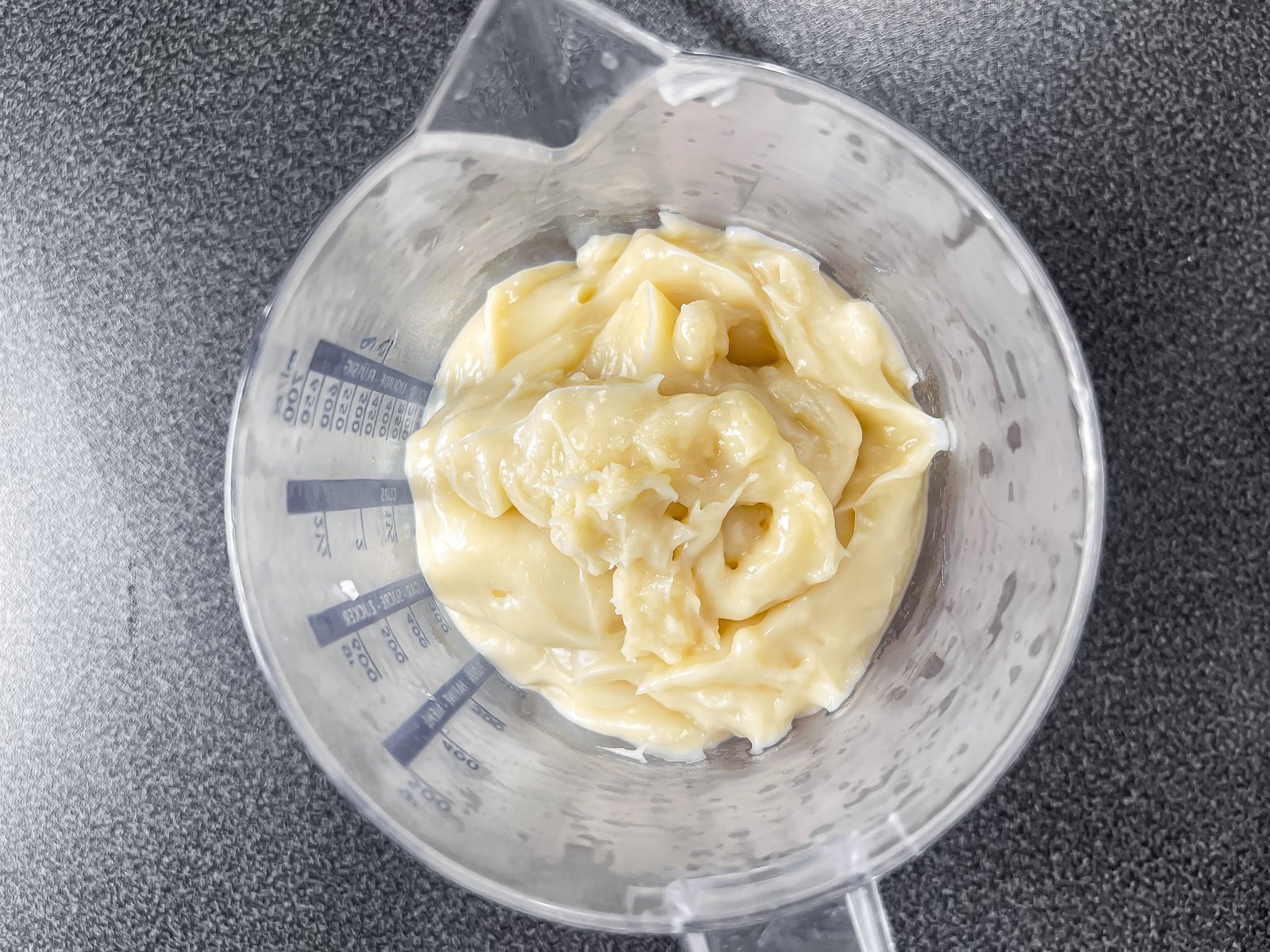
In a jug weigh the chocolate, remove the cream from the heat and pour it over the chocolate.
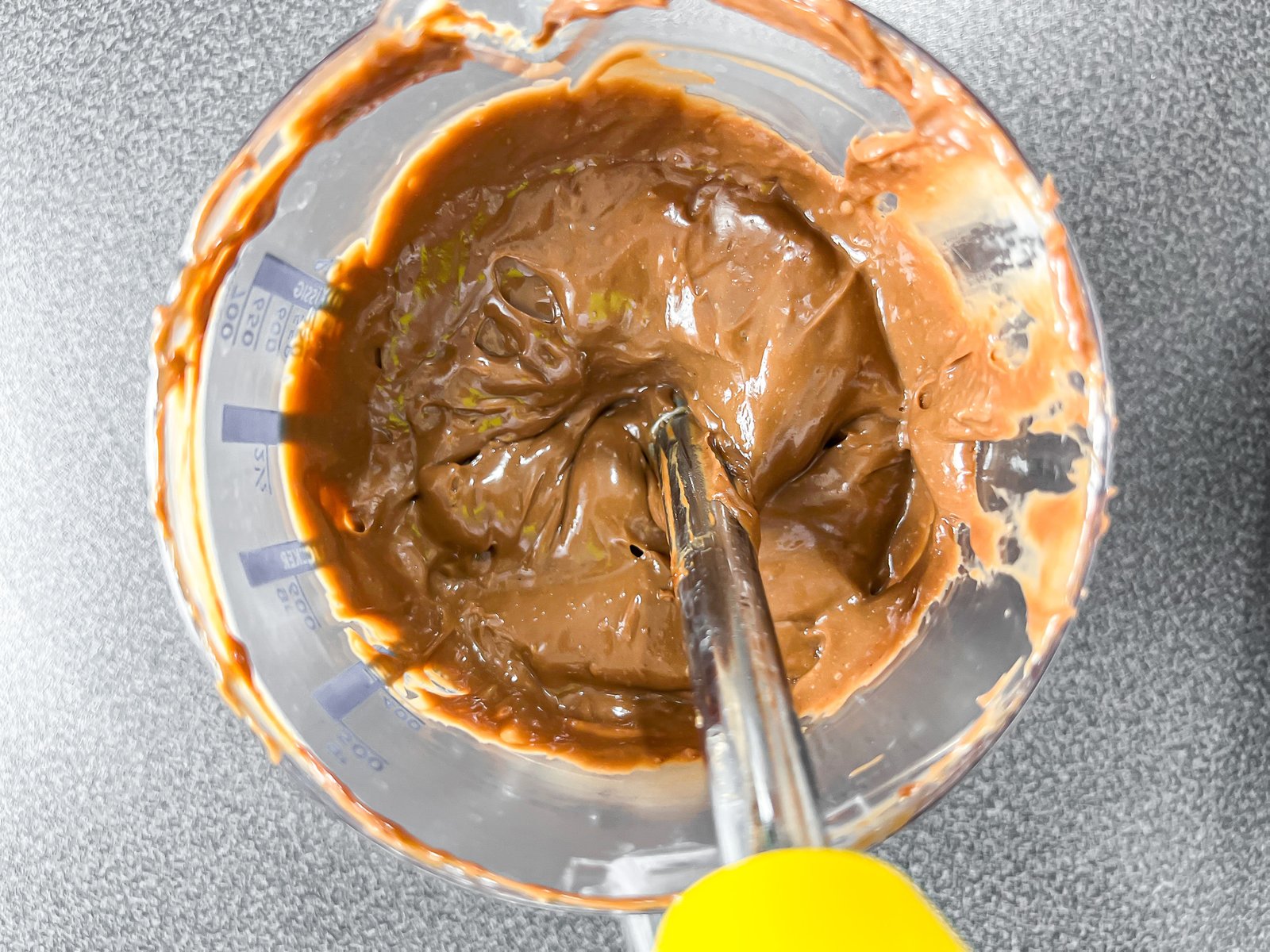
Blend with an immersion blender, then add the margarine and continue blending until you obtain a smooth and glossy cream. Transfer the pastry cream to a large bowl, cover with cling film in contact with the surface to prevent a skin from forming, and chill in the refrigerator for at least two hours.
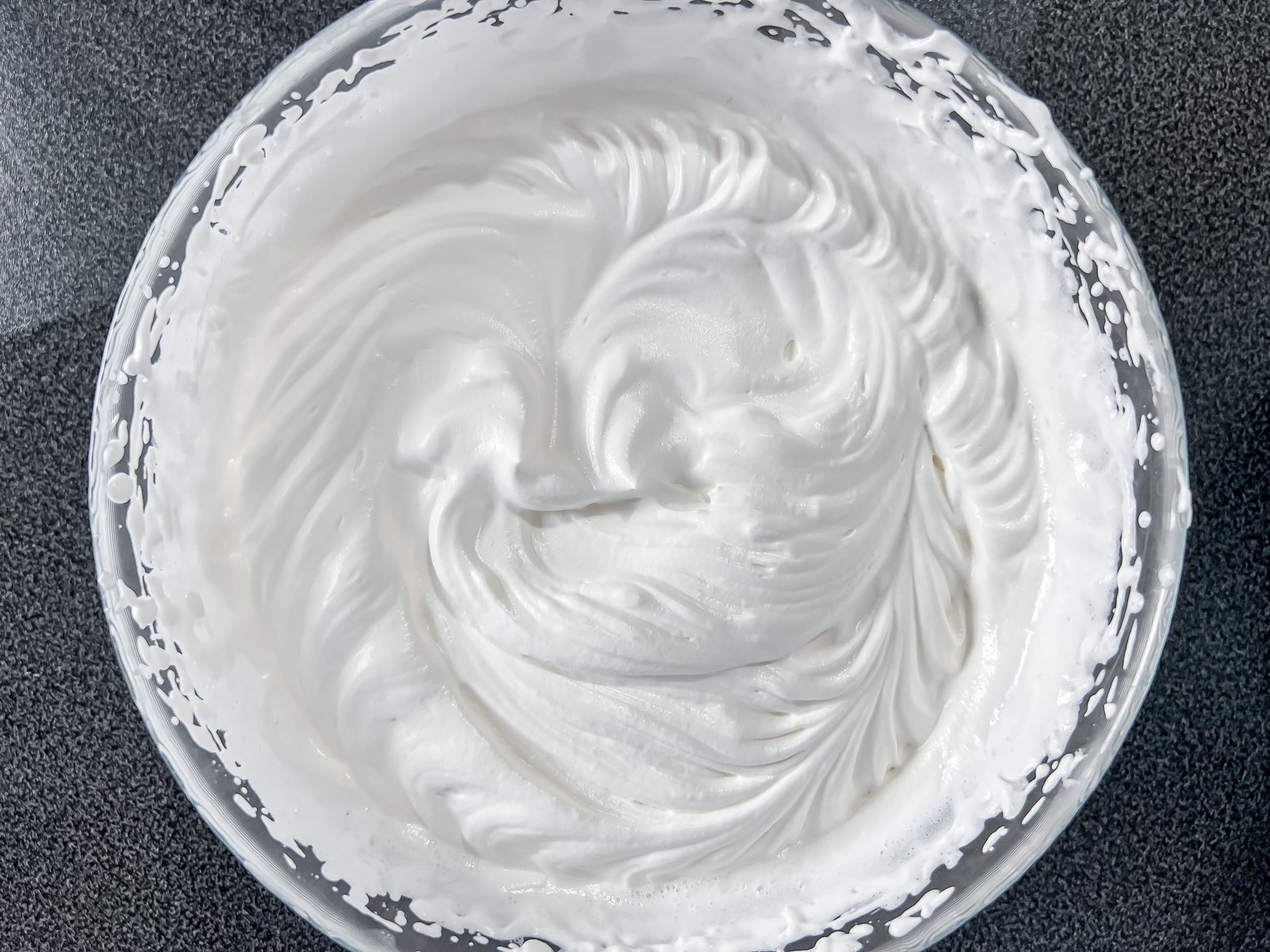
When the pastry cream has cooled, whip the vegetable whipping cream in another bowl using electric beaters or a stand mixer.
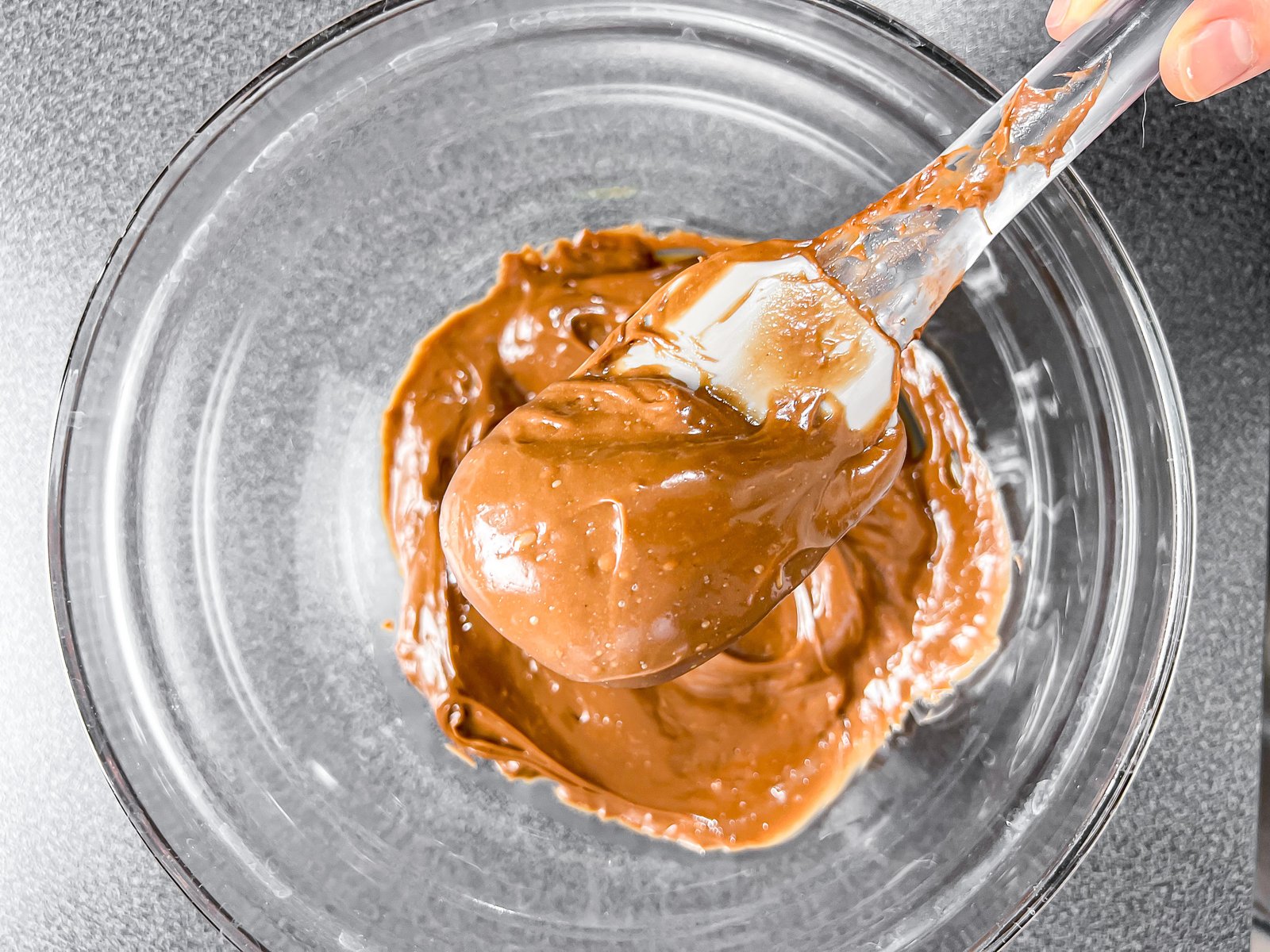
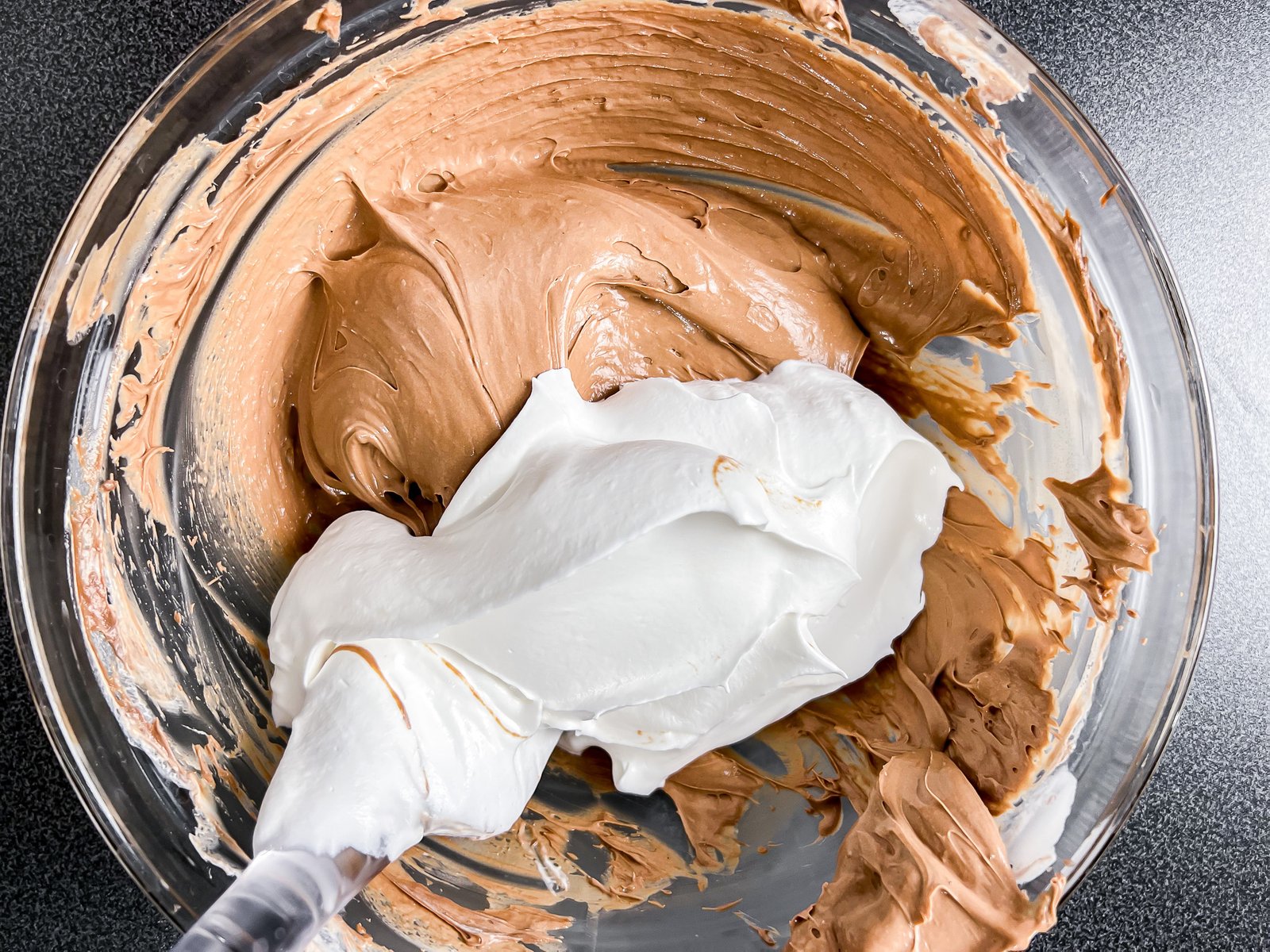
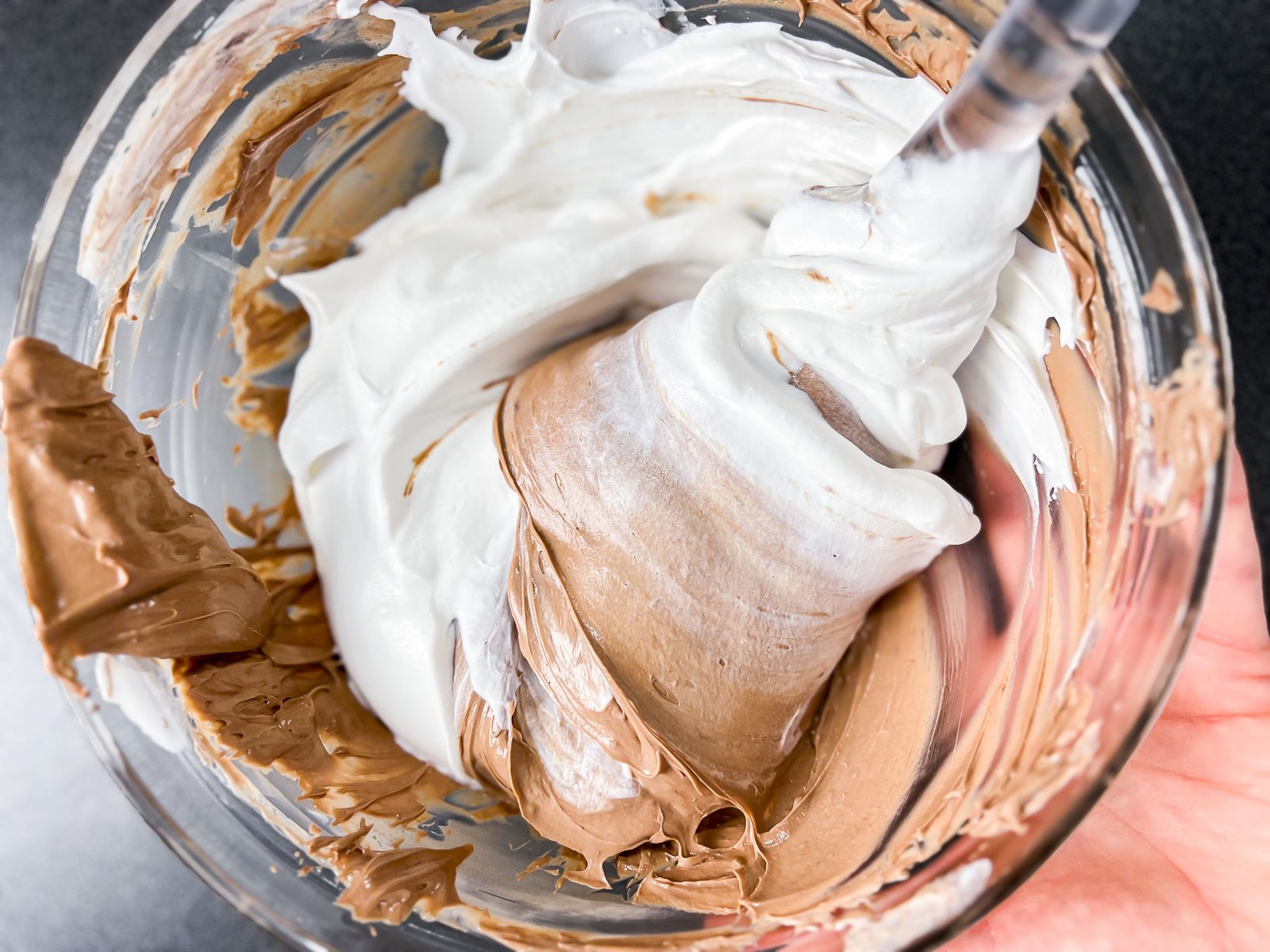
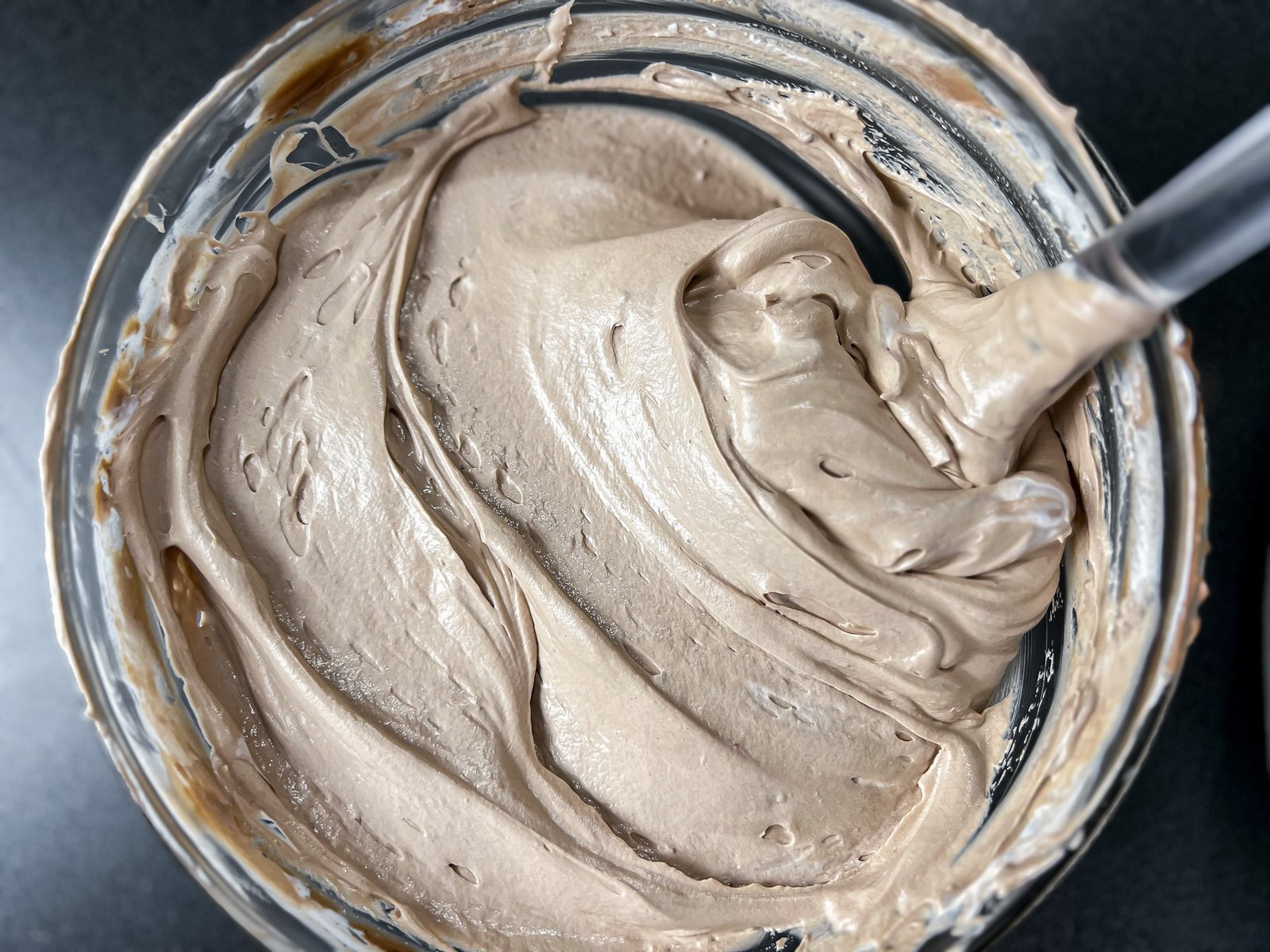
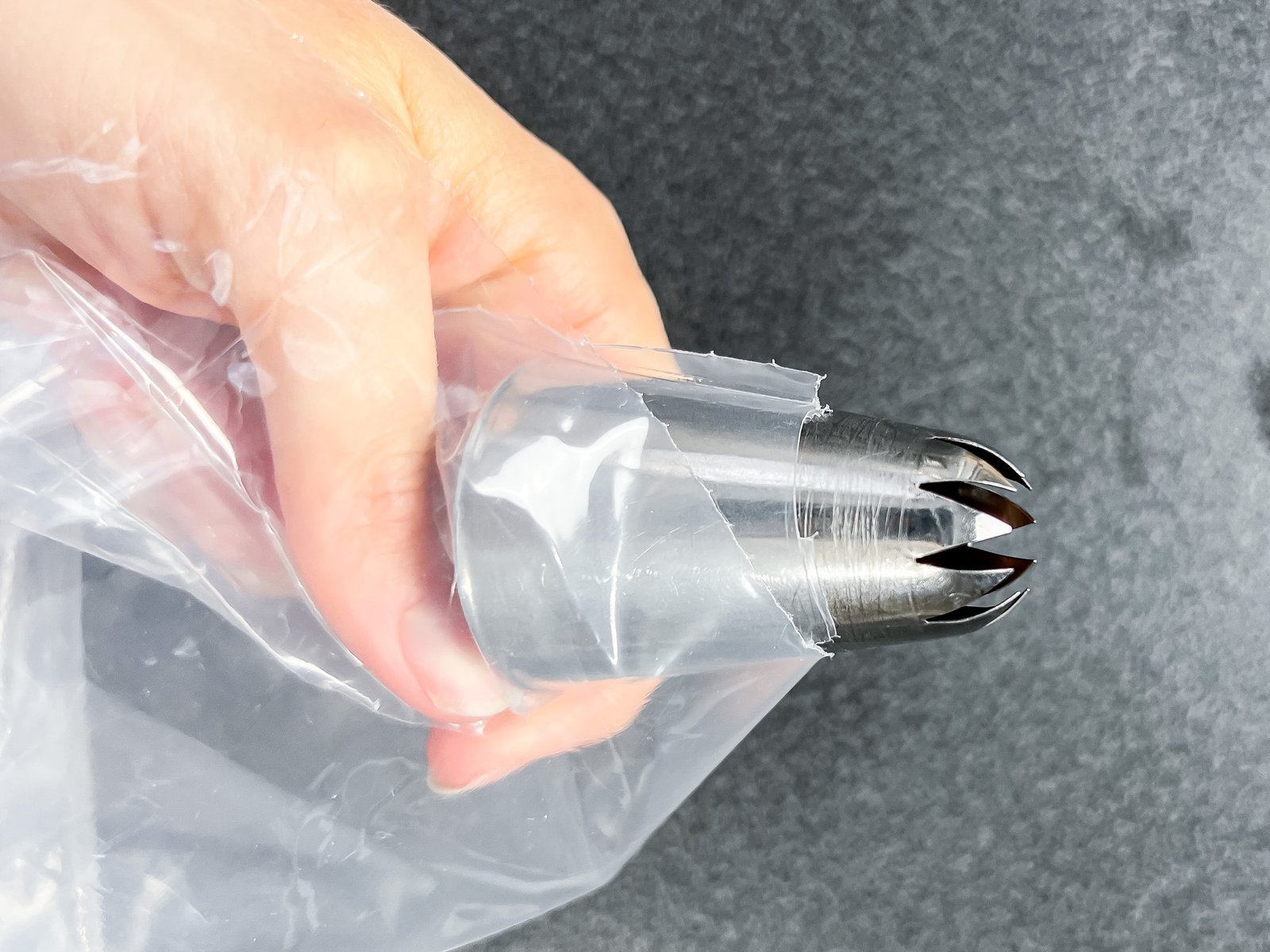
Lightly loosen the pastry cream with a spatula and gradually fold in the whipped vegetable cream using a spatula with gentle upward motions to avoid deflating the cream. At this point the diplomatic cream is ready; transfer it to a piping bag fitted with a closed star tip and refrigerate.
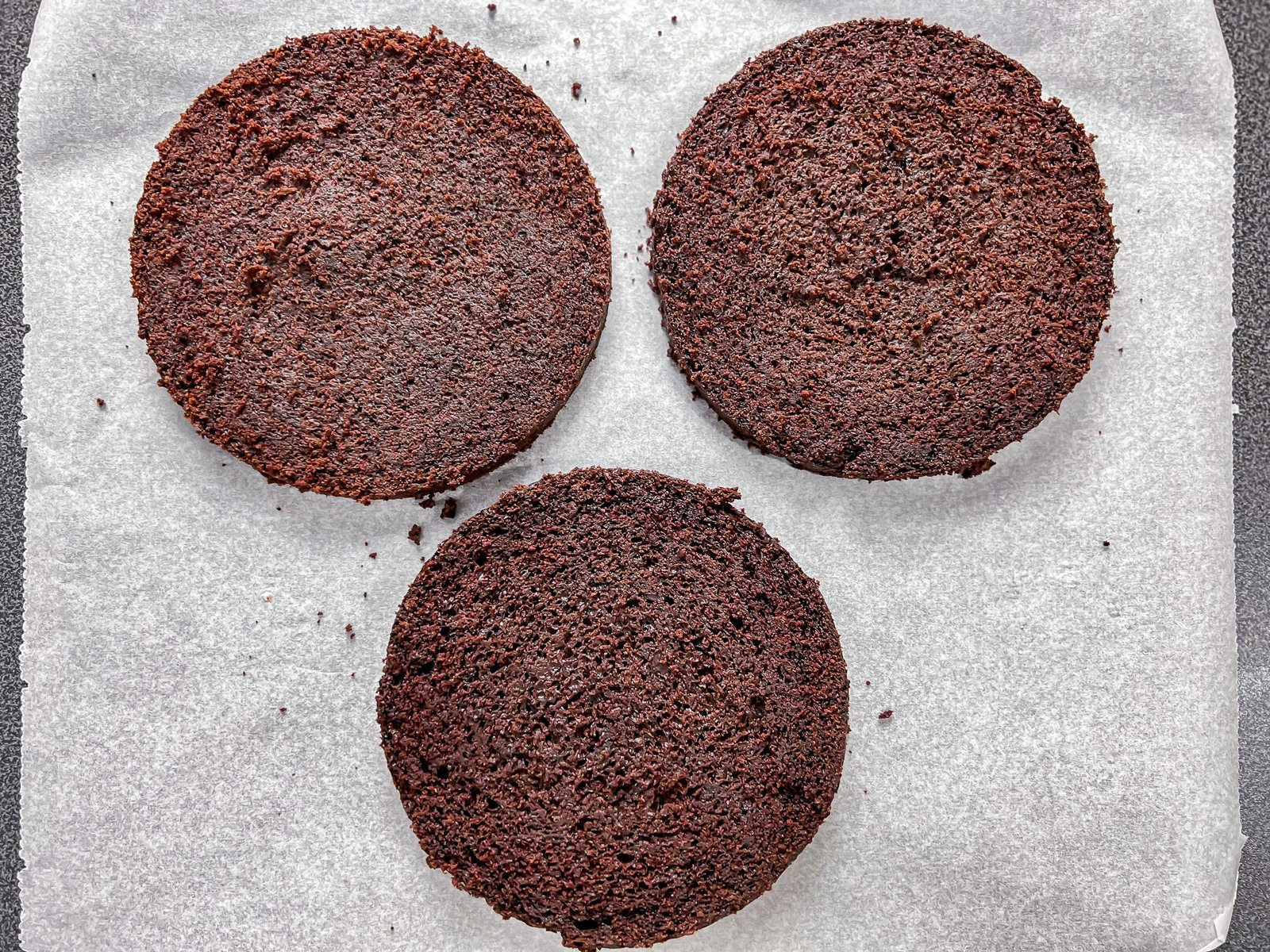
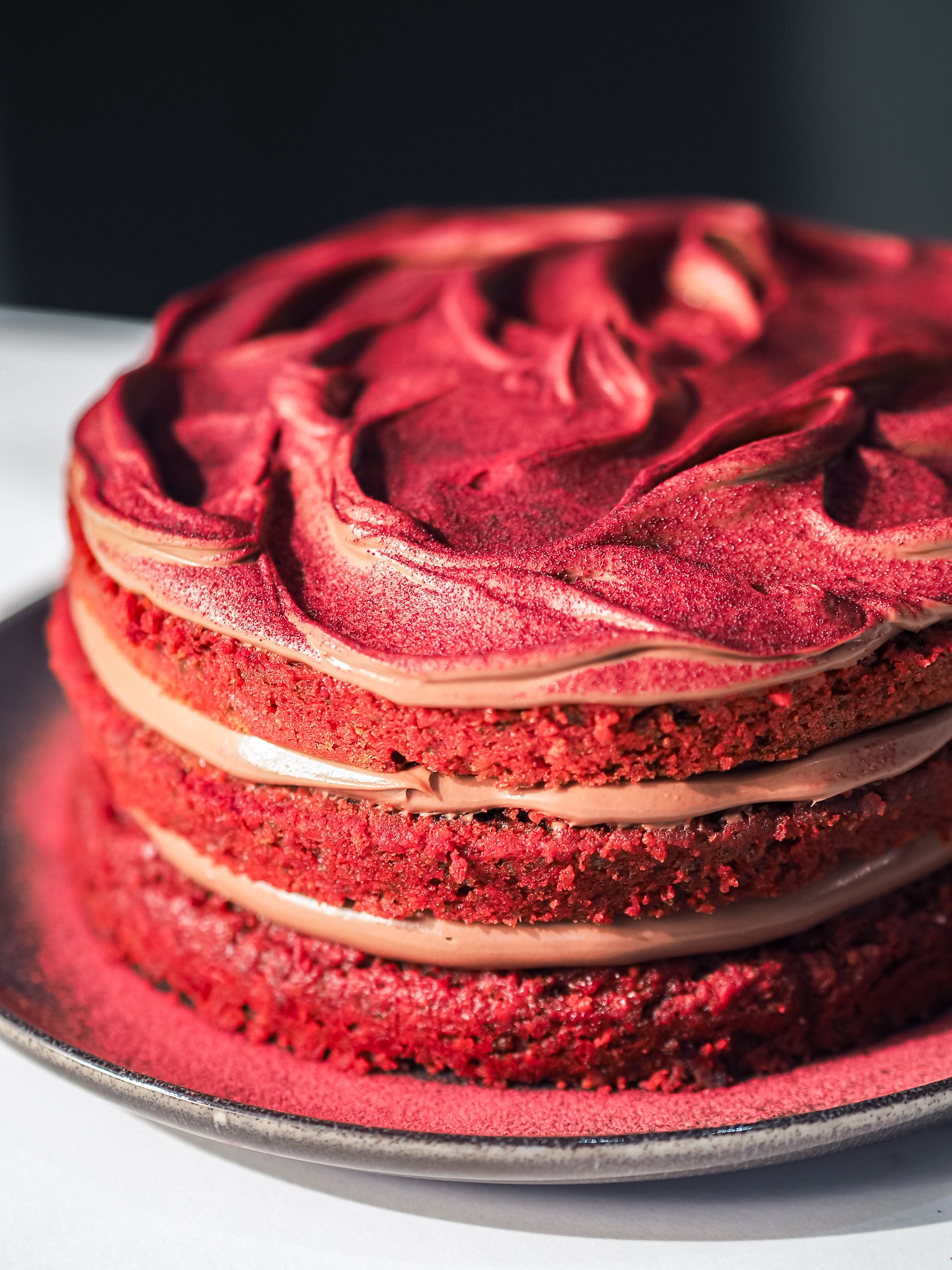
When the cake is cold, cut it into 3 equal layers using a serrated knife.
Take a plate or tray to serve the cake.
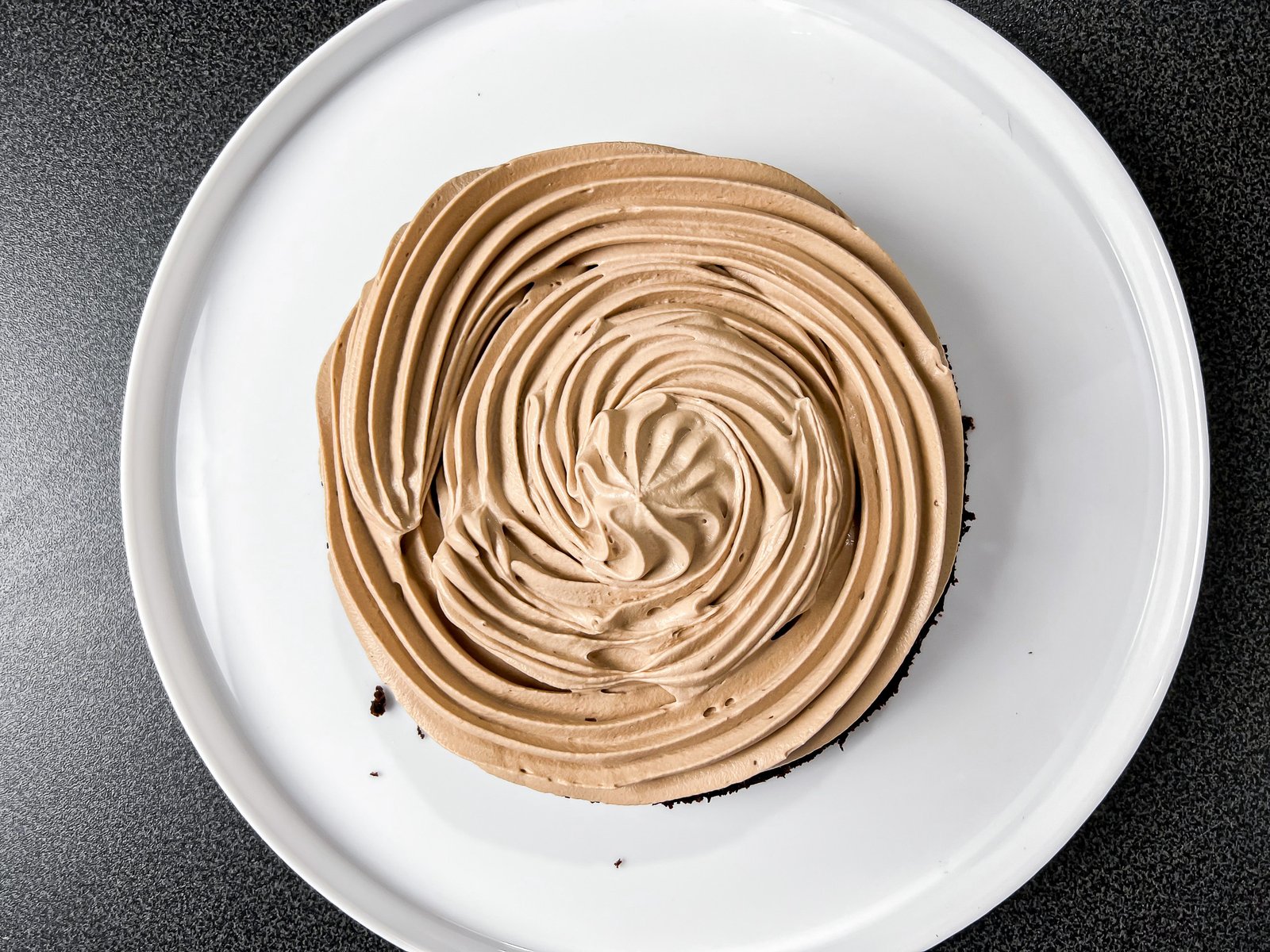
Place a dollop of cream, position the first cake layer and brush with some plant-based milk using a pastry brush.
Make a layer of chocolate diplomatic cream, about 150g.
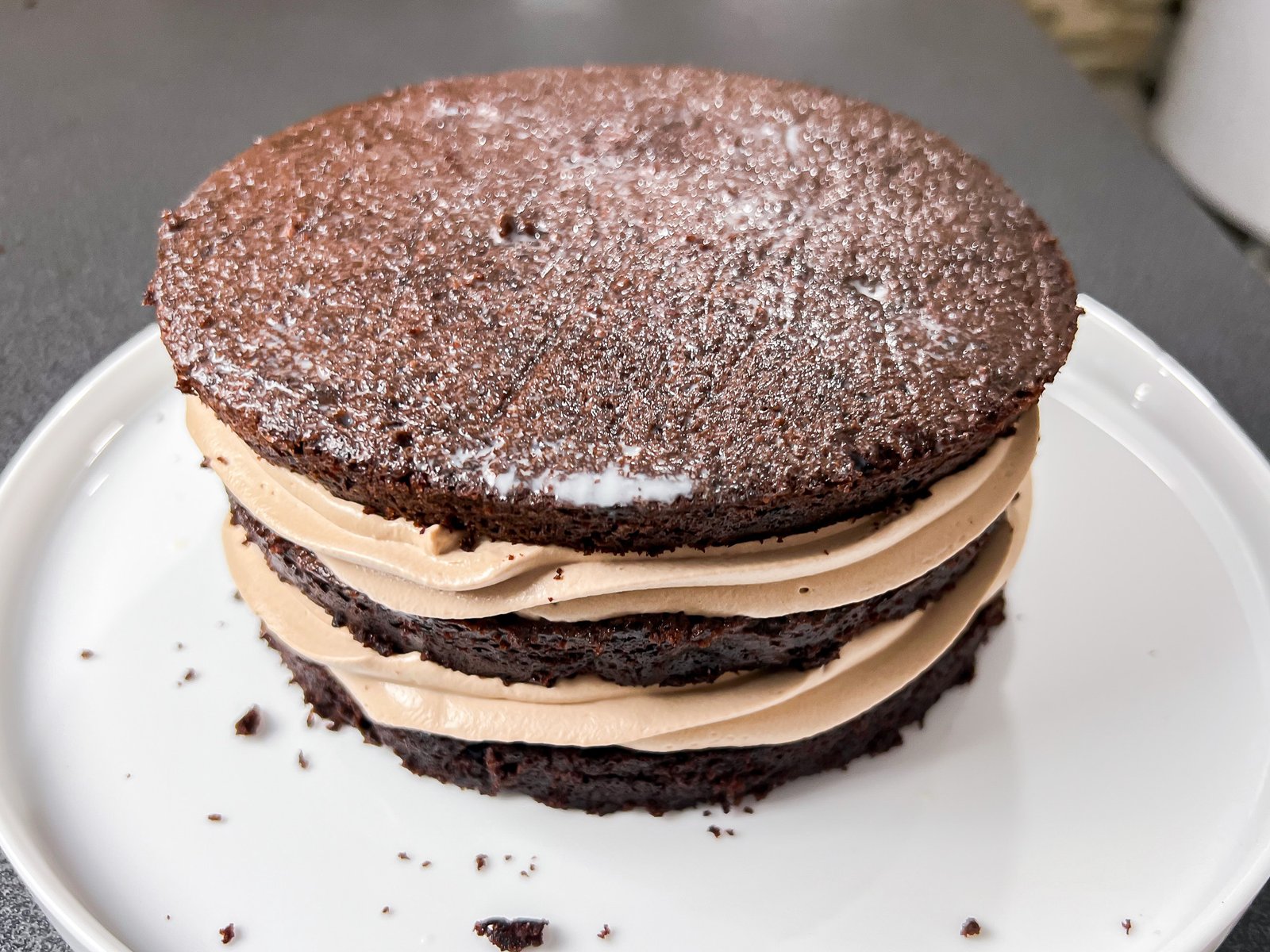
Place the second cake layer and brush with some plant-based milk.
Make another layer of chocolate diplomatic cream, about 150g.
Place the third cake layer and brush with some plant-based milk.
Cover the entire cake with a thin layer of cream; it doesn't need to be perfect, this will be only a crumb coat—reserve some cream.
Chill the cake in the fridge for 1 hour.
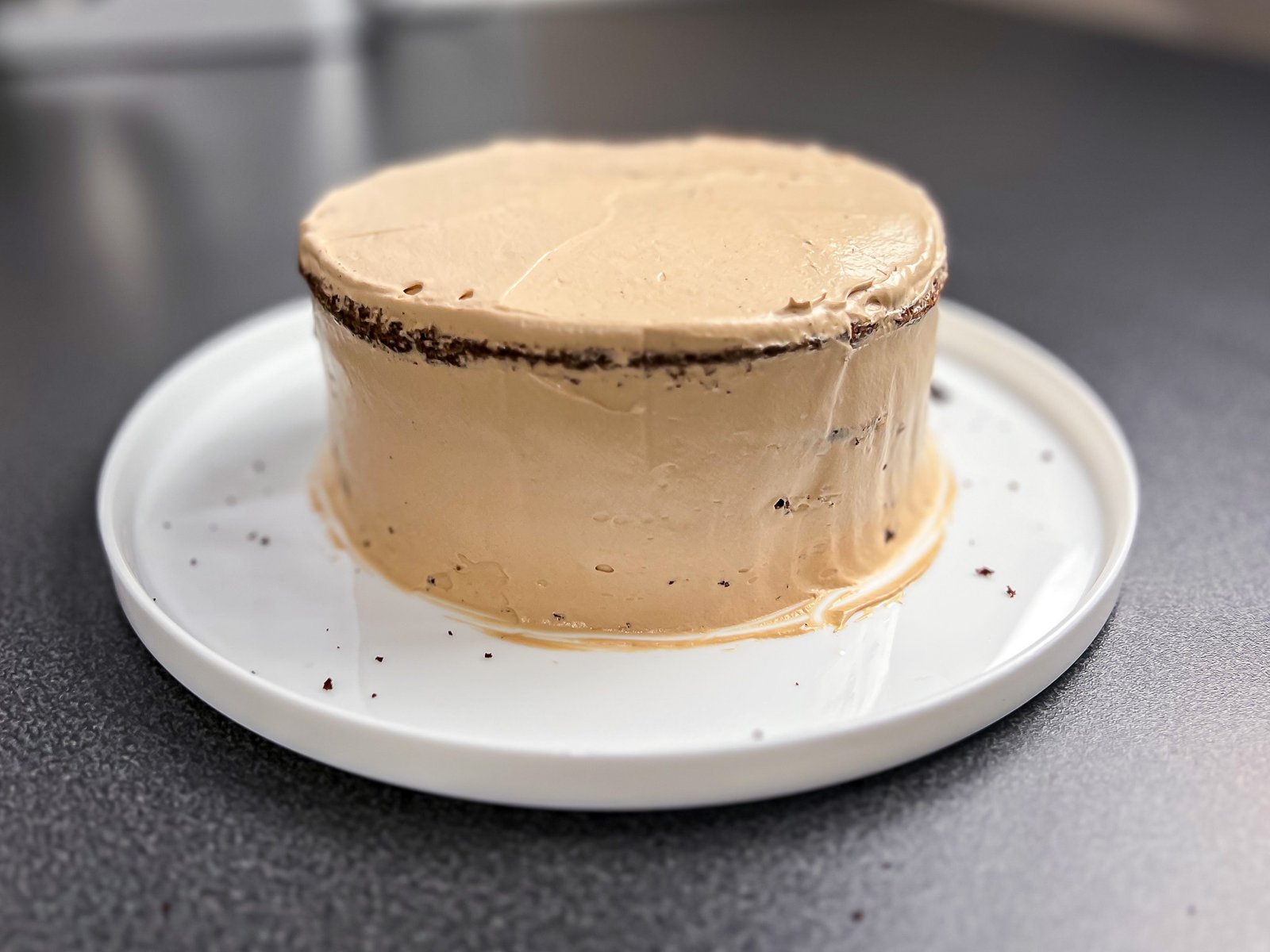
Apply a second layer of cream, this time covering thoroughly and smoothing it well.
Reserve some cream for final decoration.
Place the cake in the fridge for 1 hour and prepare the glaze.
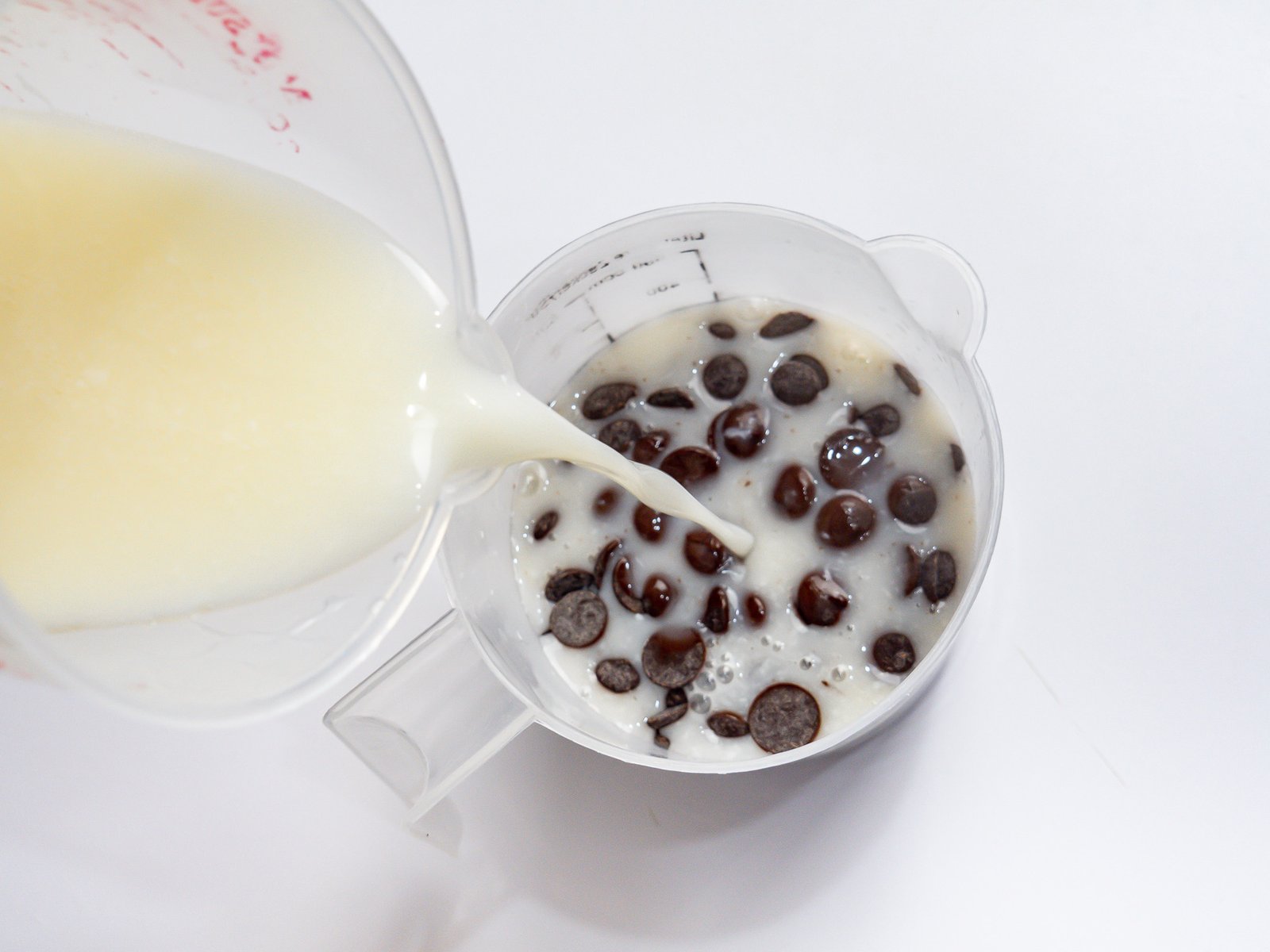
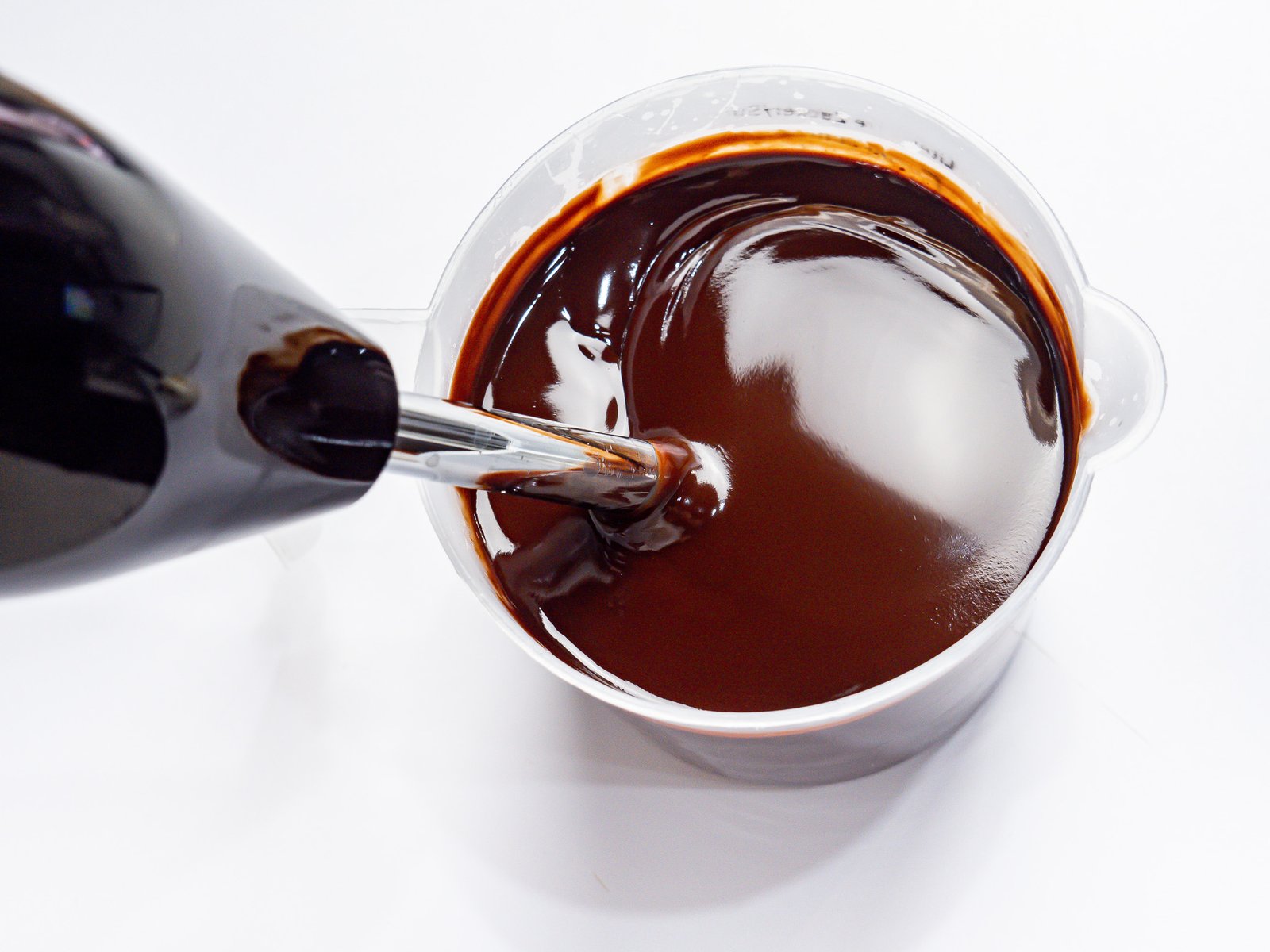
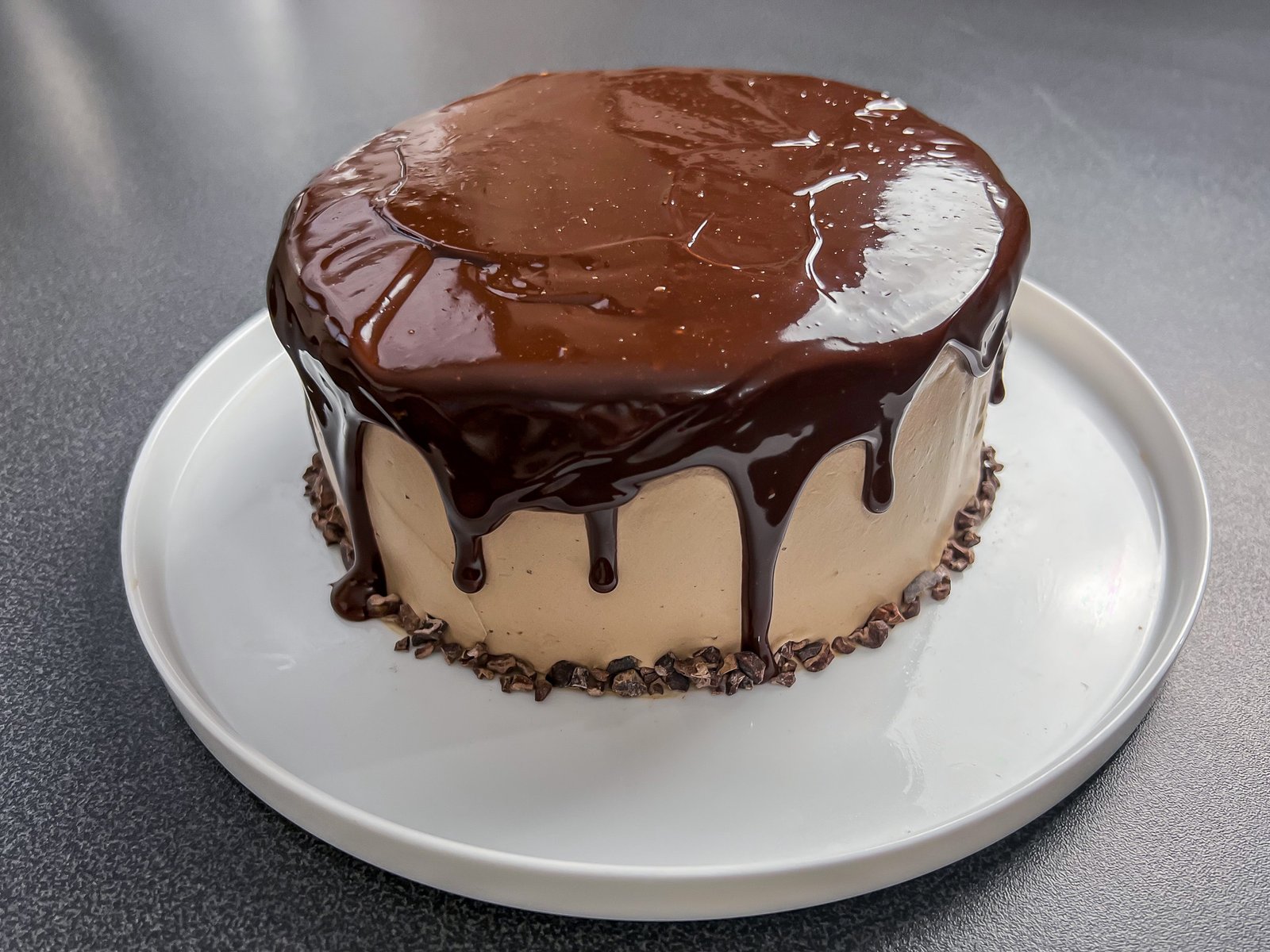
To make the glaze, bring the cream and glucose to a boil in a saucepan. Pour them over the pre-weighed chocolate in a jug, blend with an immersion blender.
When the mixture reaches about 60°C add the margarine cut into cubes and blend to create a perfect emulsion without creating bubbles.
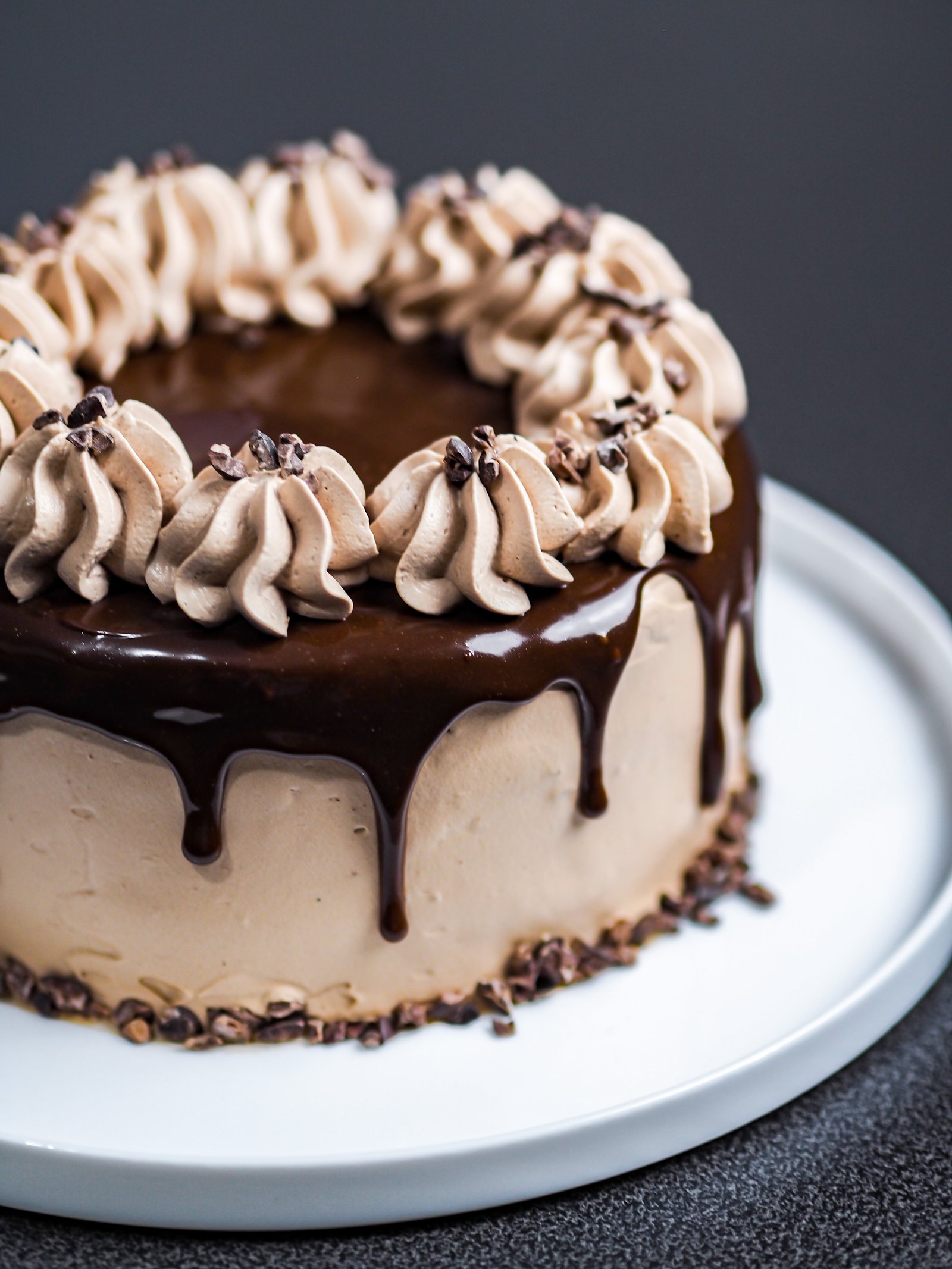
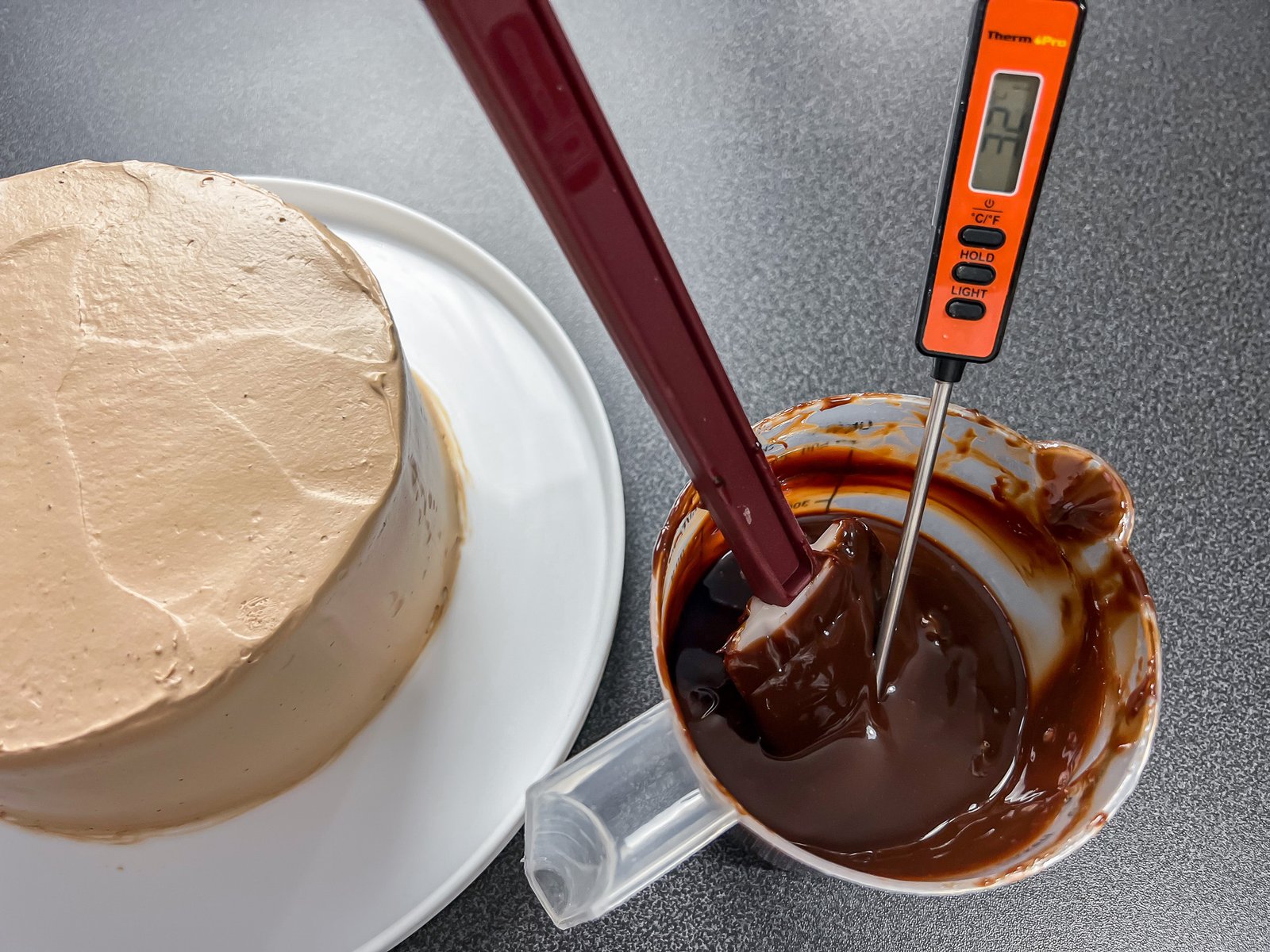
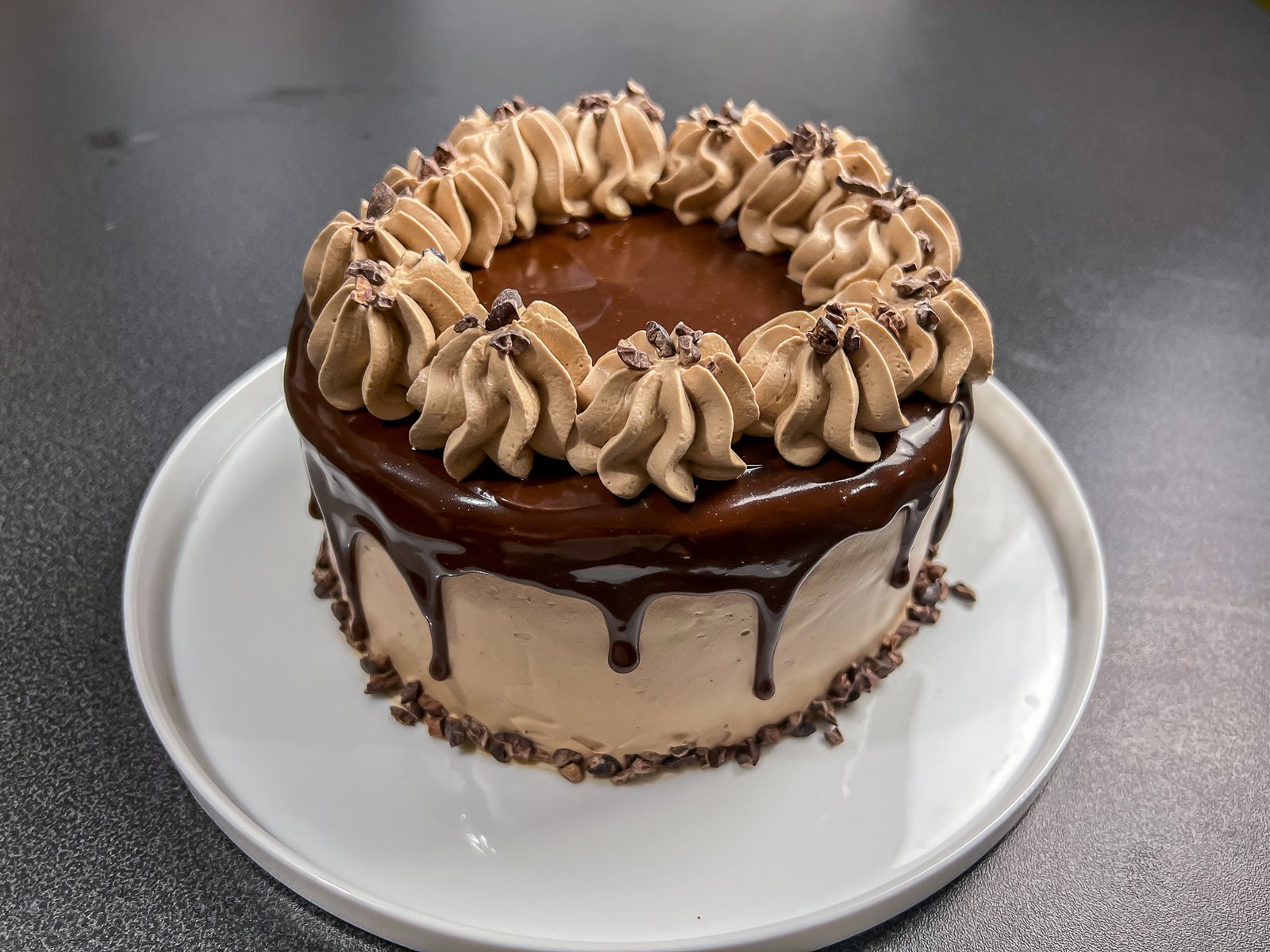
Now the glaze is ready to use; when it reaches a temperature of about 32°C pour it over the cake and use a small spatula to create a dripping effect, the drops that fall down the sides of the cake, simply by “pushing” the glaze over the edges.
Decorate with cream dollops and cocoa nibs.
Store in the refrigerator.






Comments
Share your result, a question or a photo of the recipe.
No comments yet.