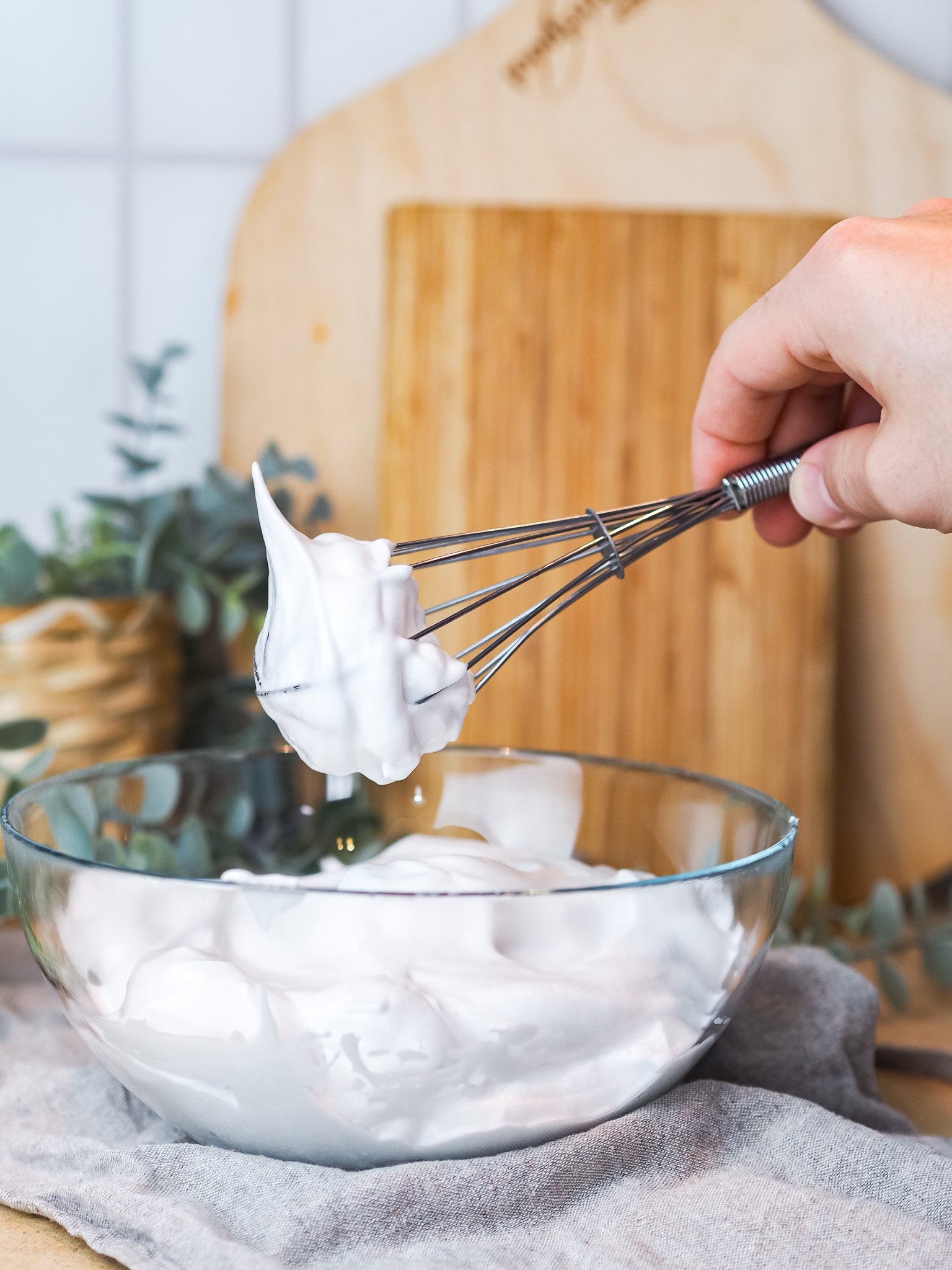
How to Replace Egg Whites - 4 Options
When it comes to replacing egg whites, you can't just pick an ingredient at random. First you need to understand what they're made of and what role they play in the recipe. Egg whites are composed of about 90% water and 10% proteins. They can be whipped, incorporate air and in some cases provide structure during baking. For this reason there isn't a single correct substitute for everything. There are several plant-based alternatives and each works better in different preparations. In this article I show you 4 options I use, the differences between them and when it's best to choose one over another.
How are they made?
As with all ingredients, before replacing something we need to understand 1 what that ingredient is made of 2 what its function is in the recipe Egg whites are made of about 90% water and 10% proteins. Thanks to the proteins they can be whipped, thus incorporating air, and during baking they coagulate providing structure. This latter characteristic is very important but it's not always necessary in every recipe, for example in a mousse.
Plant-based substitutes
There are several plant proteins that can replace egg whites; the ones I use are these: 1 and 2. Aquafaba, chickpea cooking liquid (liquid or powder) 3. Potato proteins 4. Soy proteins All 4 can be used to replace an egg white, and therefore make a meringue (egg white + sugar) for a cold product like a mousse, a semifreddo, etc. Not all can be used for baked goods.
What characteristics do they have?
They have some different characteristics: FLAVOR: Aquafaba and soy proteins have a fairly neutral flavor, potato protein has a very strong taste that can sometimes be unpleasant; I therefore recommend using it only when strictly necessary.. when? We'll see now. So for cold products (mousse, semifreddos) I recommend using aquafaba or soy. COLOR: potato protein has a yellowish color compared to soy and aquafaba but once whipped it becomes white. WHIPPING: aquafaba and potato protein whip slightly better than soy. To make the whipped texture more stable, whip better, and be less likely to deflate when the meringue is combined with another ingredient or preparation (for example oil or a ganache) I recommend adding xanthan gum. How much to use? Use about 0.5 to 1% of the weight of the vegan egg white. It's essential to use a precision scale because it's very strong and half a gram makes the difference. Example: 100 g aquafaba, 0.5 -1 g xanthan gum BAKING: as I said at the start, one characteristic of egg is that it coagulates and thus gives structure to baked goods. Potato protein is the only one of the three that has this characteristic. So I recommend using this protein only in baked goods where, together with the other ingredients, it also loses a bit of that unpleasant aftertaste it has. This is very important to know. If you make, for example, a sponge cake and you have 1 part eggs, 1 part sugar and 1 part flour, all three of these things give structure to the baked product; if we use potato protein instead of eggs we will get a good result, if we use, for example, liquid aquafaba which doesn't coagulate we are removing 1/3 of the structure and therefore the sponge cake will collapse. If aquafaba or soy are used in baking they will not provide structure; structure will be provided only by other ingredients like flours or sugars, but if we have a recipe in which the egg's structural contribution is fundamental for the success of the dessert then we must necessarily use potato protein. The situation is different for aquafaba powder because, despite not coagulating, it has a much higher protein concentration compared to liquid aquafaba and in baking it can still provide structure.
How are they made and how to use them?
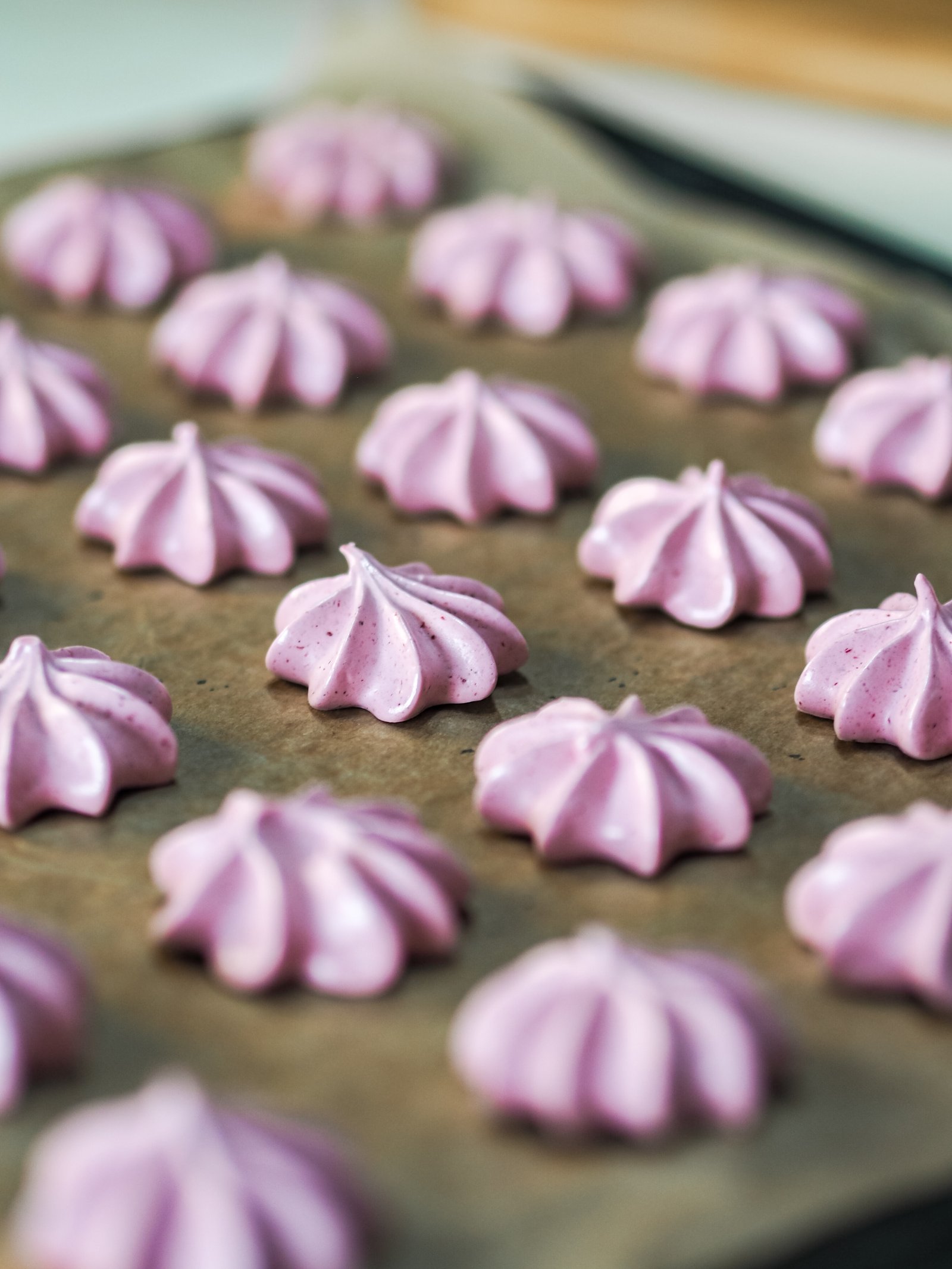
Aquafaba is used liquid 99% of the time; you can for example buy a jar of cooked chickpeas, drain them, and use that water. You can also find cooked chickpeas without salt, however salt is usually only 0.5-1% and in a recipe with sugars, aromas etc the final percentage will be even lower and won't be noticeable. Alternatively aquafaba is also available in powder form, very convenient and much better. Moreover it can be mixed with other liquids and thus you can have, for example, a raspberry meringue. You just mix it with water and then whip. I recommend the brand In-vece (available in Italy and Europe). The package indicates the dose to use. Soy and potato proteins are only found in powder, so it will be necessary to hydrate them in water, blend, and the vegan egg white will be ready; it can be stored in the fridge and then weighed as needed. I recommend about 5-10 g of protein per 100 g of water. I recommend the Sosa brand (available in most of the world). After you have hydrated the proteins in water you have obtained the vegan egg white, it now works the same way as egg white so you can substitute it by equal weight: if a recipe calls for 100 g egg white you use 100 g vegan egg white.
Method
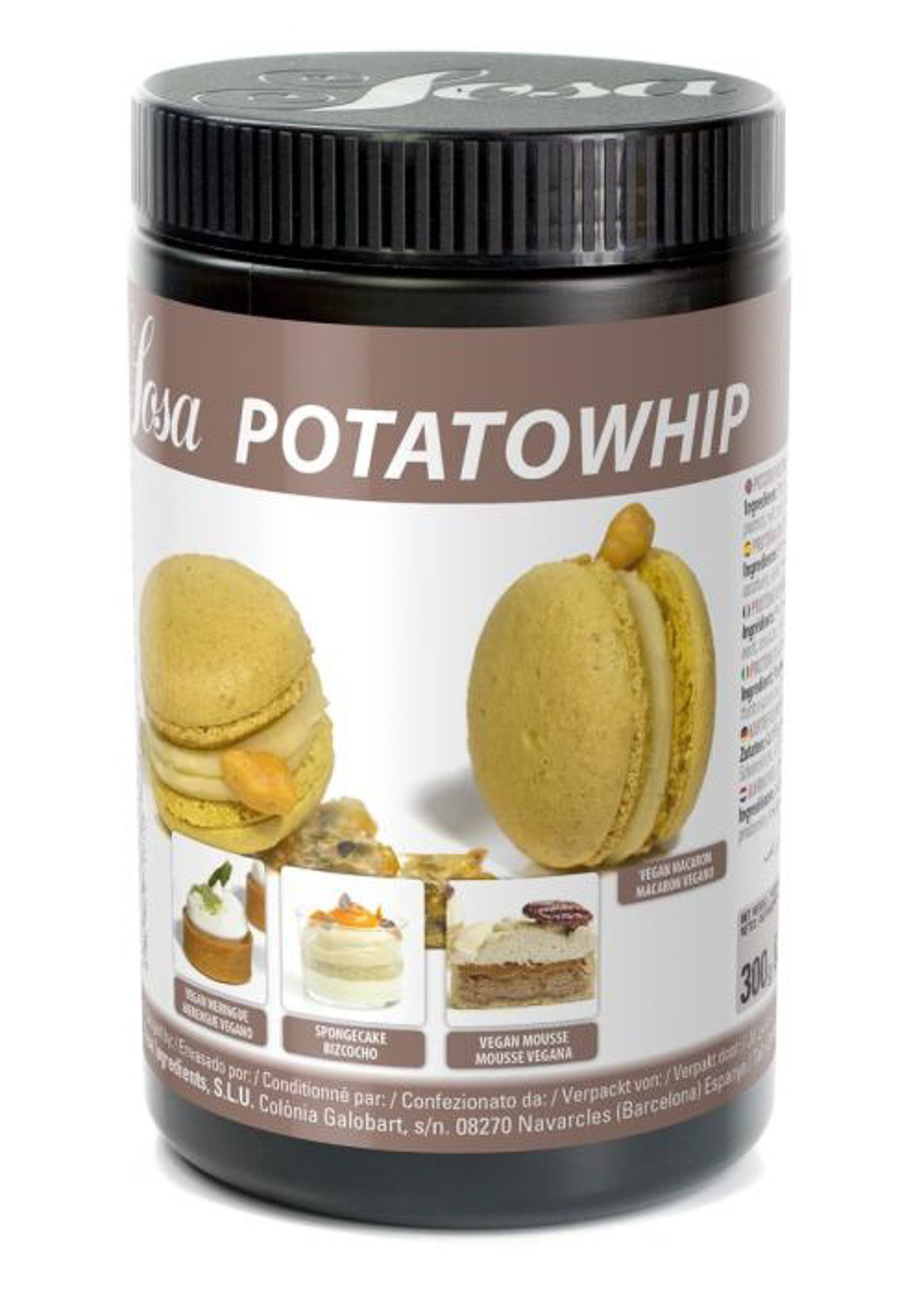
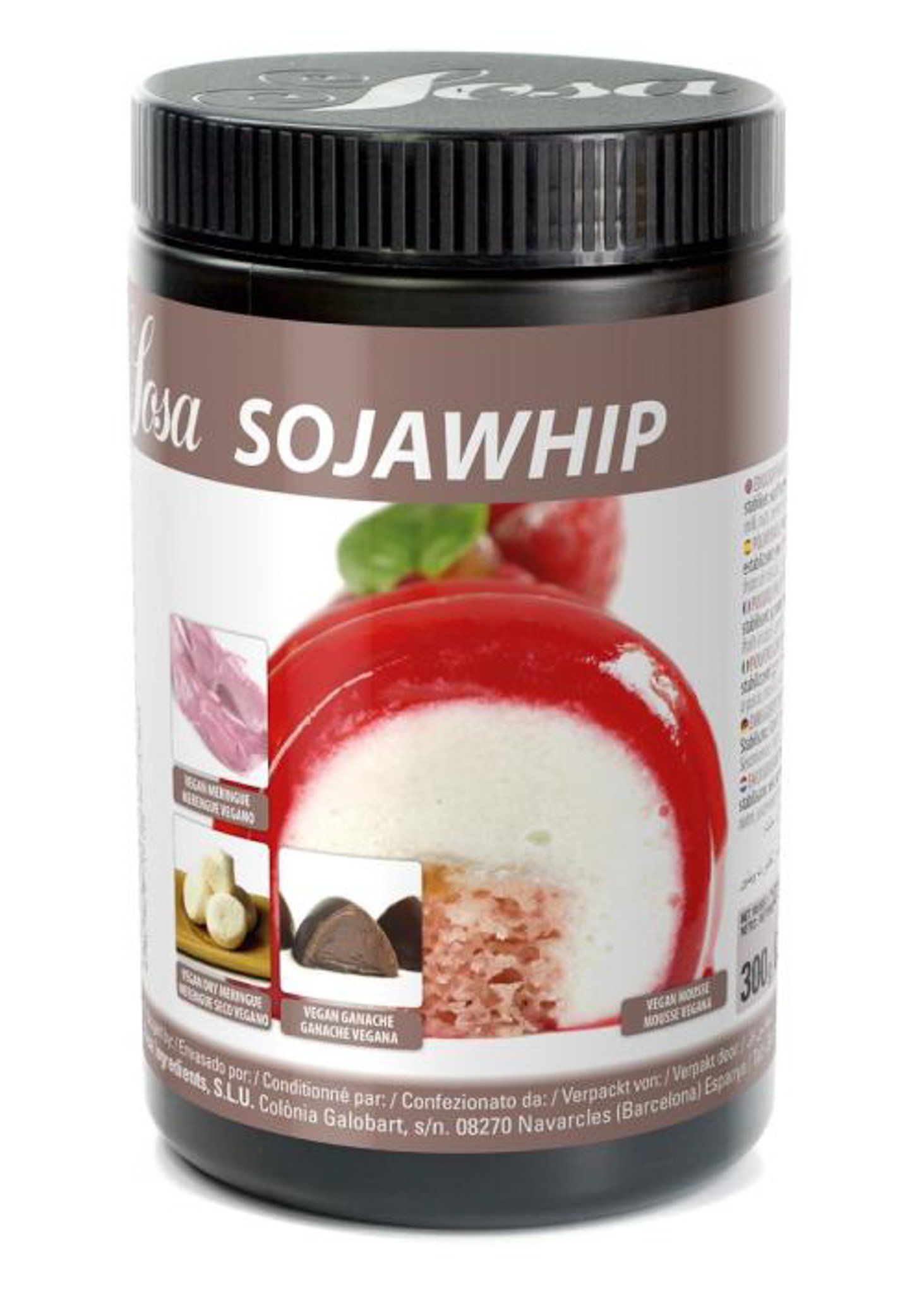
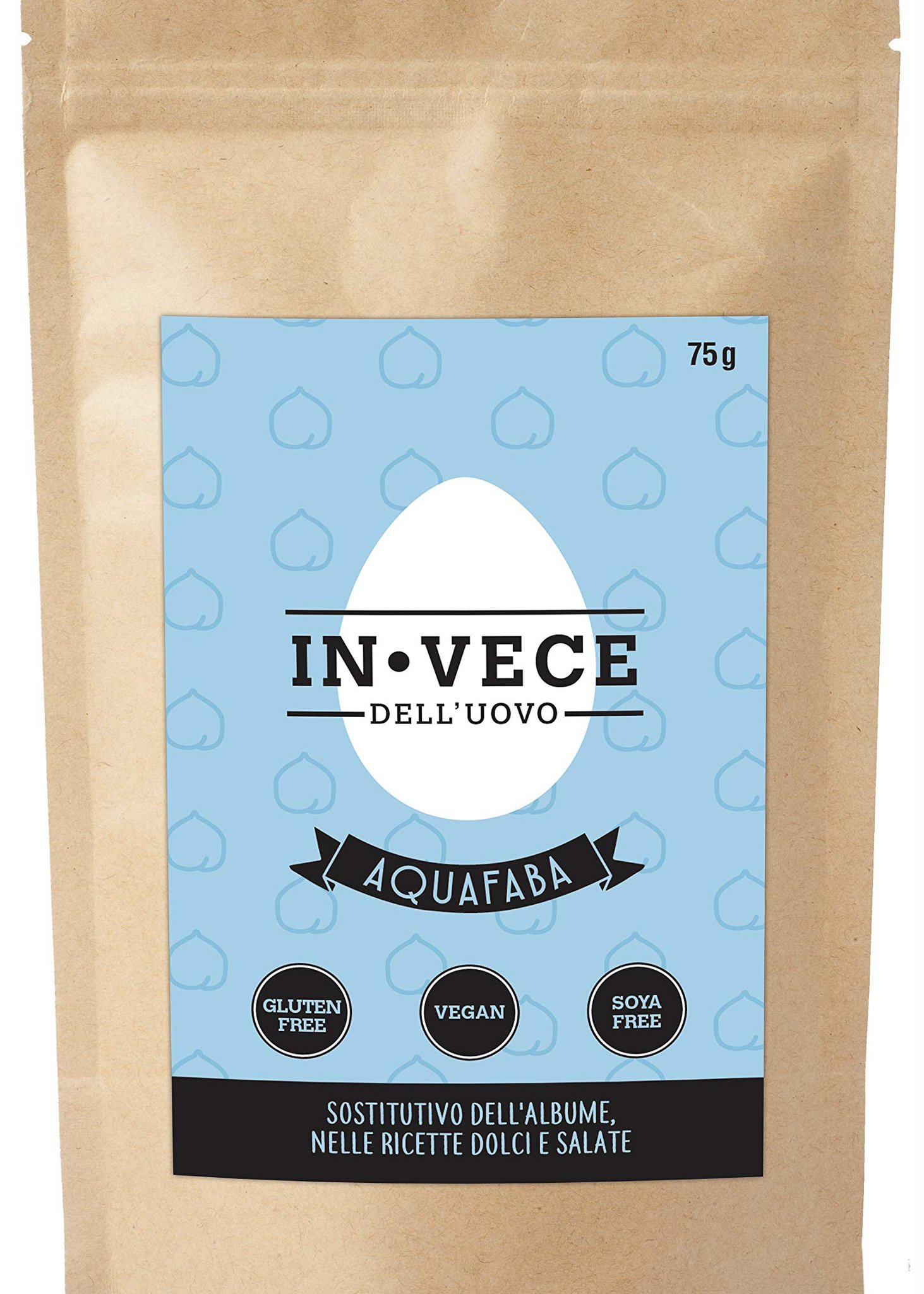
Potatowhip: this is the potato protein from the Sosa brand Buy in Italy Buy in America and Canada Buy in Australia Sojawhip: this is the soy protein from the Sosa brand Buy in Italy Aquafaba: powdered aquafaba from the IN-VECE brand Buy in Italy The shop ships only within Italy, but they also offer customized shipping abroad by contacting the company by email. You can see all the other online shops at the link below. Click here
Some recipes with these proteins